LRU Cache
Understand how to implement an LRU cache class with set and get operations that evict the least recently used data when capacity is reached. Explore cache eviction policies and practice building a scalable cache solution using core concepts of least recently used algorithms.
We'll cover the following...
Statement
Implement an LRU cache class with the following functions:
- Init(capacity): Initializes an LRU cache with the capacity size.
- Set(key, value): Adds a new key-value pair or updates an existing key with a new value.
- Get(key): Returns the value of the key, or if the key does not exist.
If the number of keys has reached the cache capacity, evict the least recently used key and then add the new key.
As caches use relatively expensive, faster memory, they are not designed to store very large data sets. Whenever the cache becomes full, we need to evict some data from it. There are several caching algorithms to implement a cache eviction policy. LRU is a very simple and commonly used algorithm. The core concept of the LRU algorithm is to evict the oldest data from the cache to accommodate more data.
Constraints:
- capacity
- key
- value
- At most calls will be made to Set and Get.
Examples
Understand the problem
Let’s take a moment to make sure you've correctly understood the problem. The quiz below helps you check if you're solving the correct problem:
Implement LRU Cache
Suppose we have a cache with a capacity of 4. What is the output if we set a new pair with the following inputs?
key = 15
value = 100
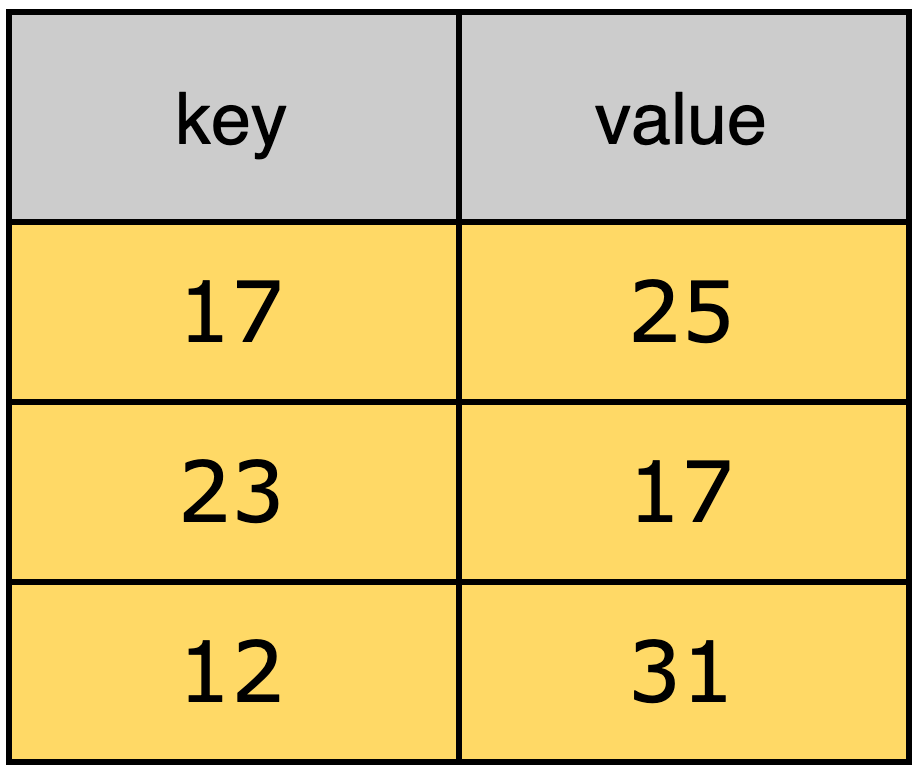
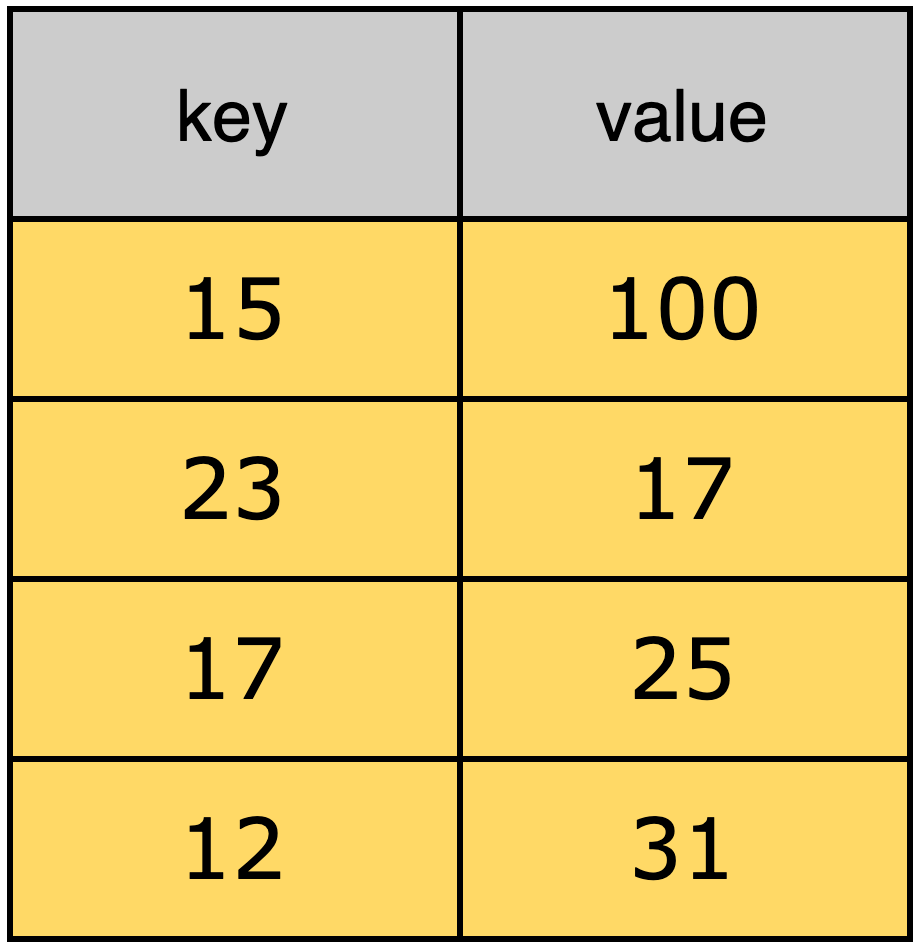
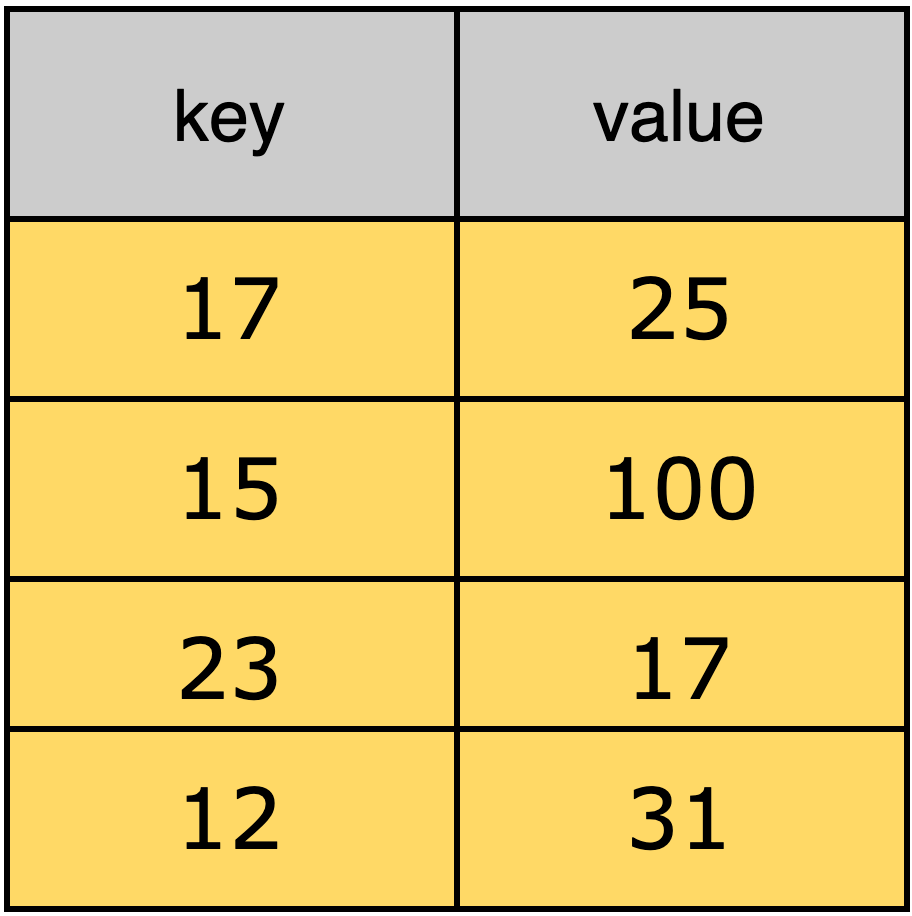
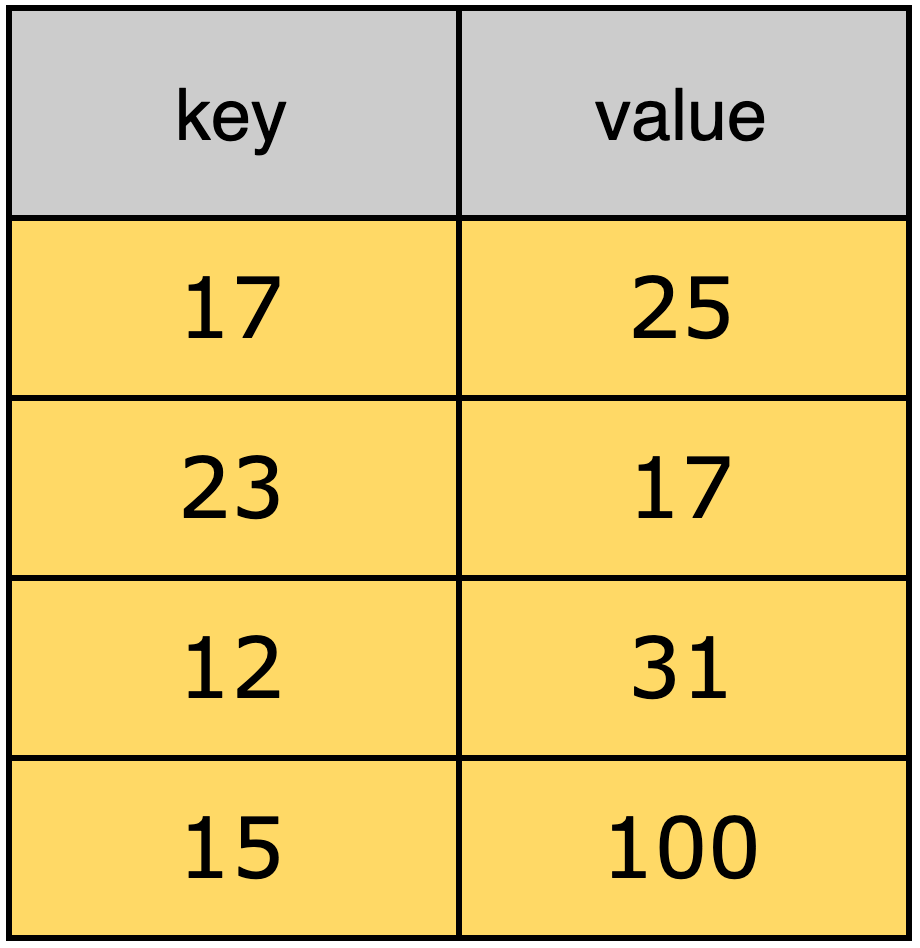
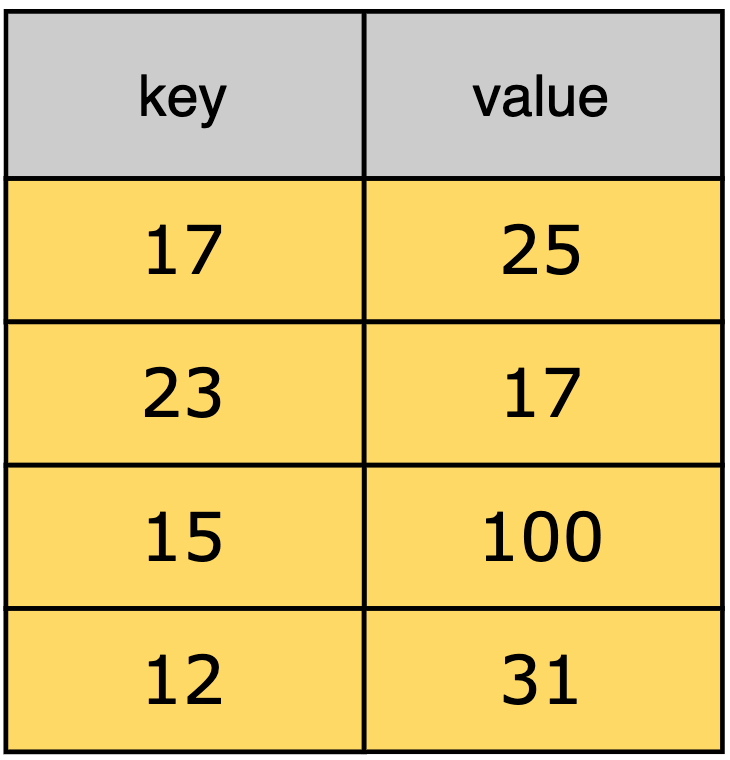
Figure it out!
We have a game for you to play. Rearrange the logical building blocks to develop a clearer understanding of how to solve this problem.
Note: Focus on setting the value and then getting the value.
Try it yourself
Implement your solution in ImplementLRUCache.java in the following coding playground. You'll need the provided supporting code to implement your solution.
import java.util.*;// Tip: You may use some of the code templates provided// in the support files// We will use a linkedlist of a pair of integers// where the first integer will be the key// and the second integer will be the valueclass LRUCache {// Constructor that sets the size of the cachepublic LRUCache(int size) {// Write your code here}int get(int key) {// Replace this placeholder return statement with your codereturn -1;}void set(int key, int value) {// Replace this placeholder return statement with your codereturn;}}