AI-powered learning
Save this course
Integrating the OpenWeatherMap APIs in Python
Explore the OpenWeatherMap APIs in Python to get weather data, air pollution data, use the Geocoding API, and integrate these features into a Django web application.
4.5
11 Lessons
1h 30min
Join 3 million developers at
Join 3 million developers at
LEARNING OBJECTIVES
- Get a working knowledge of OpenWeatherMap APIs and their endpoints.
- Develop a deep understanding of location-based weather data and forecasts using OpenWeatherMap APIs.
- Generate current indices and historical weather and pollution data using OpenWeatherMap APIs.
- Get hands-on experience building a functional Python application using OpenWeatherMap APIs and Django.
Learning Roadmap
1.
Introduction
Introduction
Get familiar with OpenWeatherMap APIs, their data sources, setup, and security considerations.
2.
Current & Forecast Weather Data Collection
Current & Forecast Weather Data Collection
Get started with collecting comprehensive weather data using OpenWeatherMap's APIs in Python.
3.
Other Weather API's Collection
Other Weather API's Collection
2 Lessons
2 Lessons
Work your way through using Air Pollution and Geocoding APIs for detailed weather analysis.
Certificate of Completion
Showcase your accomplishment by sharing your certificate of completion.
Complete more lessons to unlock your certificate
Developed by MAANG Engineers
ABOUT THIS COURSE
This course is a practical guide on how to use the OpenWeatherMap APIs to retrieve current and forecast weather data for a specific location. You will learn how to get weather forecasts for 5 days, with data after every 3-hour interval.
Moreover, you will learn how to get the current, forecast, and historical air pollution data for a specific location. This course also introduces the Geocoding API, which is a simple tool to get geographical coordinates by using the name of the location, and vice versa. You’ll wrap up by integrating the OpenWeatherMap APIs into a functional web application using the Django framework.
Lastly, this course also provides some recommendations and resources to further explore the OpenWeatherMap APIs.
Trusted by 3 million developers working at companies
A
Anthony Walker
@_webarchitect_
E
Evan Dunbar
ML Engineer
S
Software Developer
Carlos Matias La Borde
S
Souvik Kundu
Front-end Developer
V
Vinay Krishnaiah
Software Developer
Built for 10x Developers
No Passive Learning
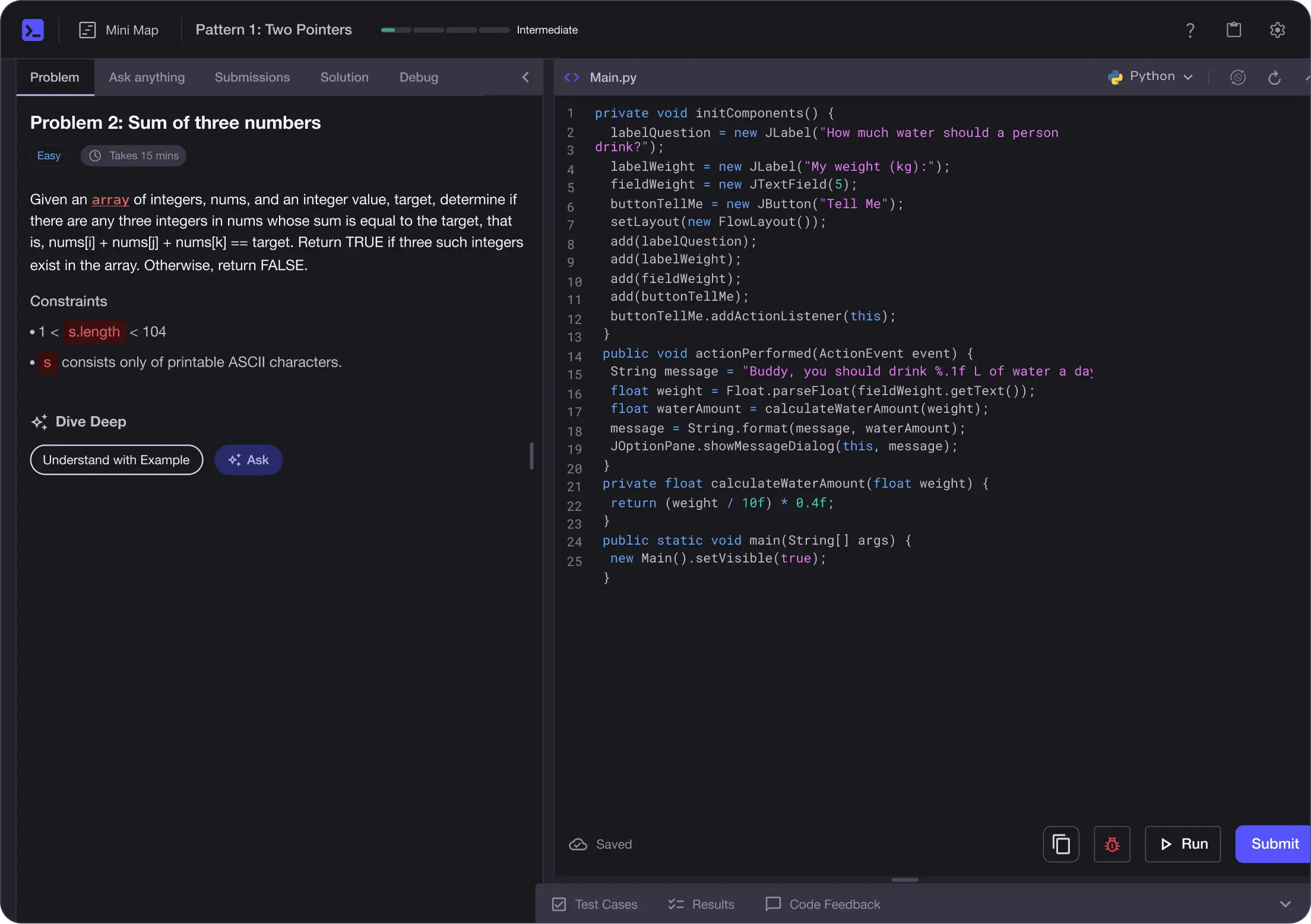
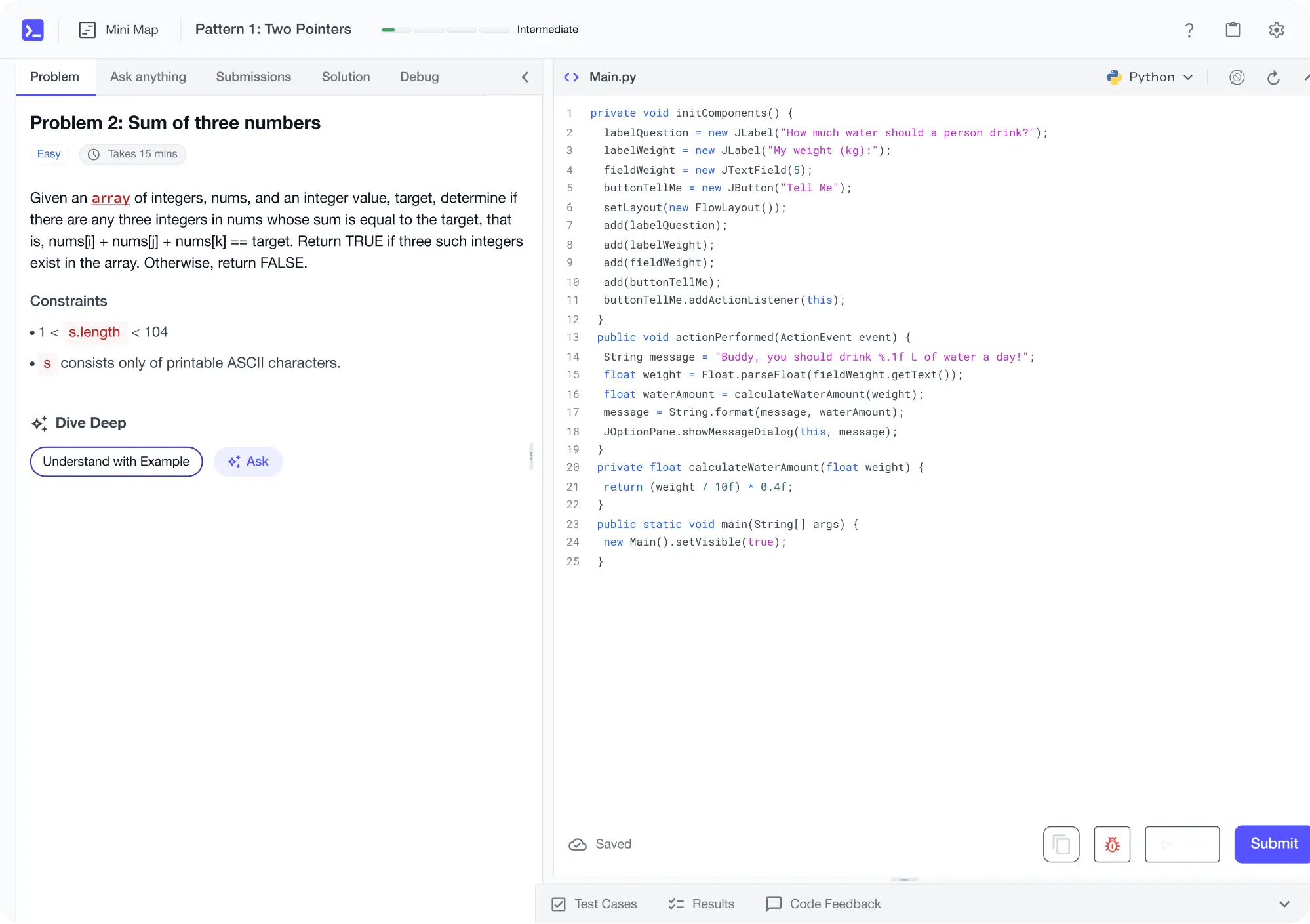
Learn by building with project-based lessons and in-browser code editor
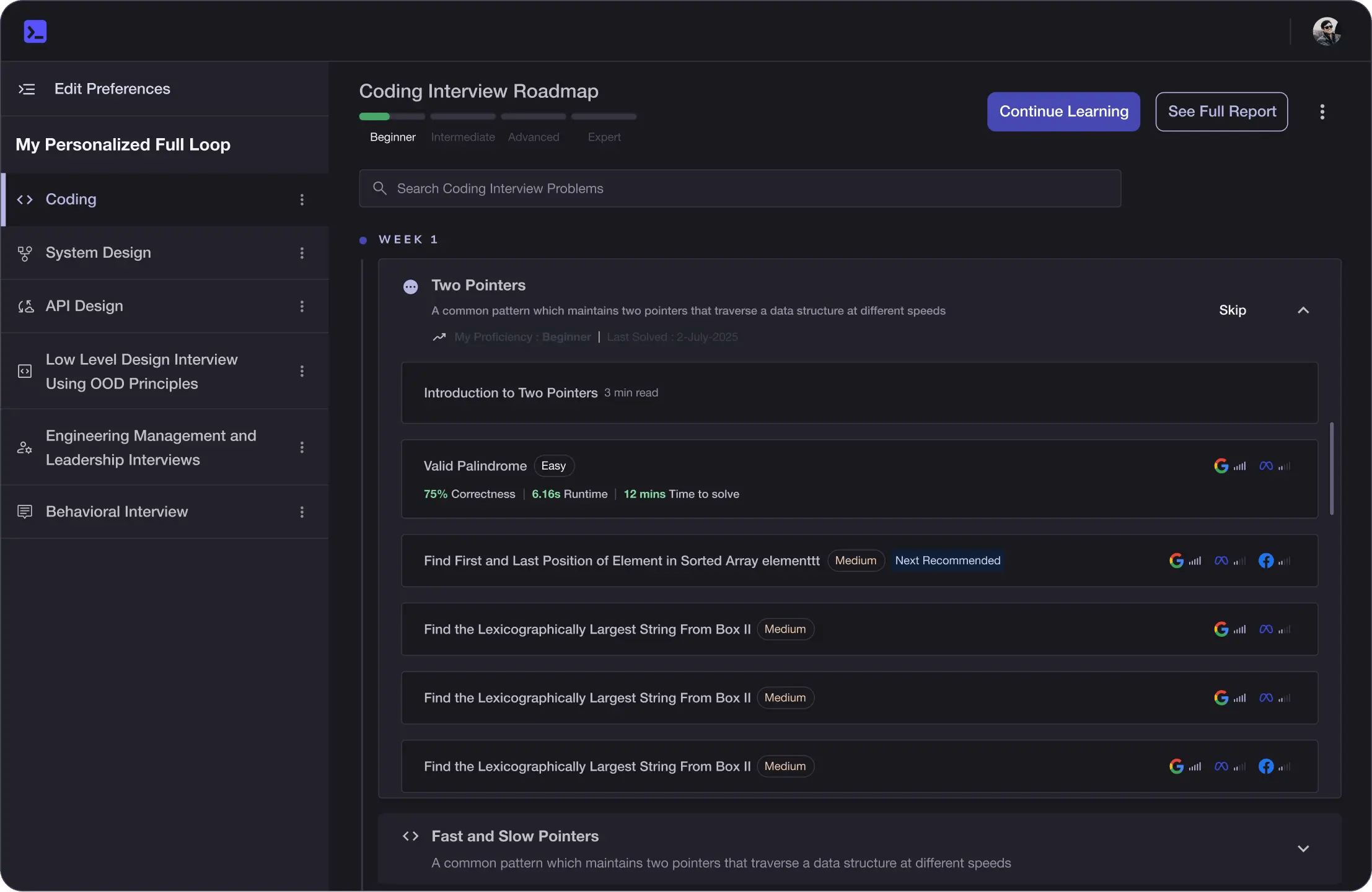
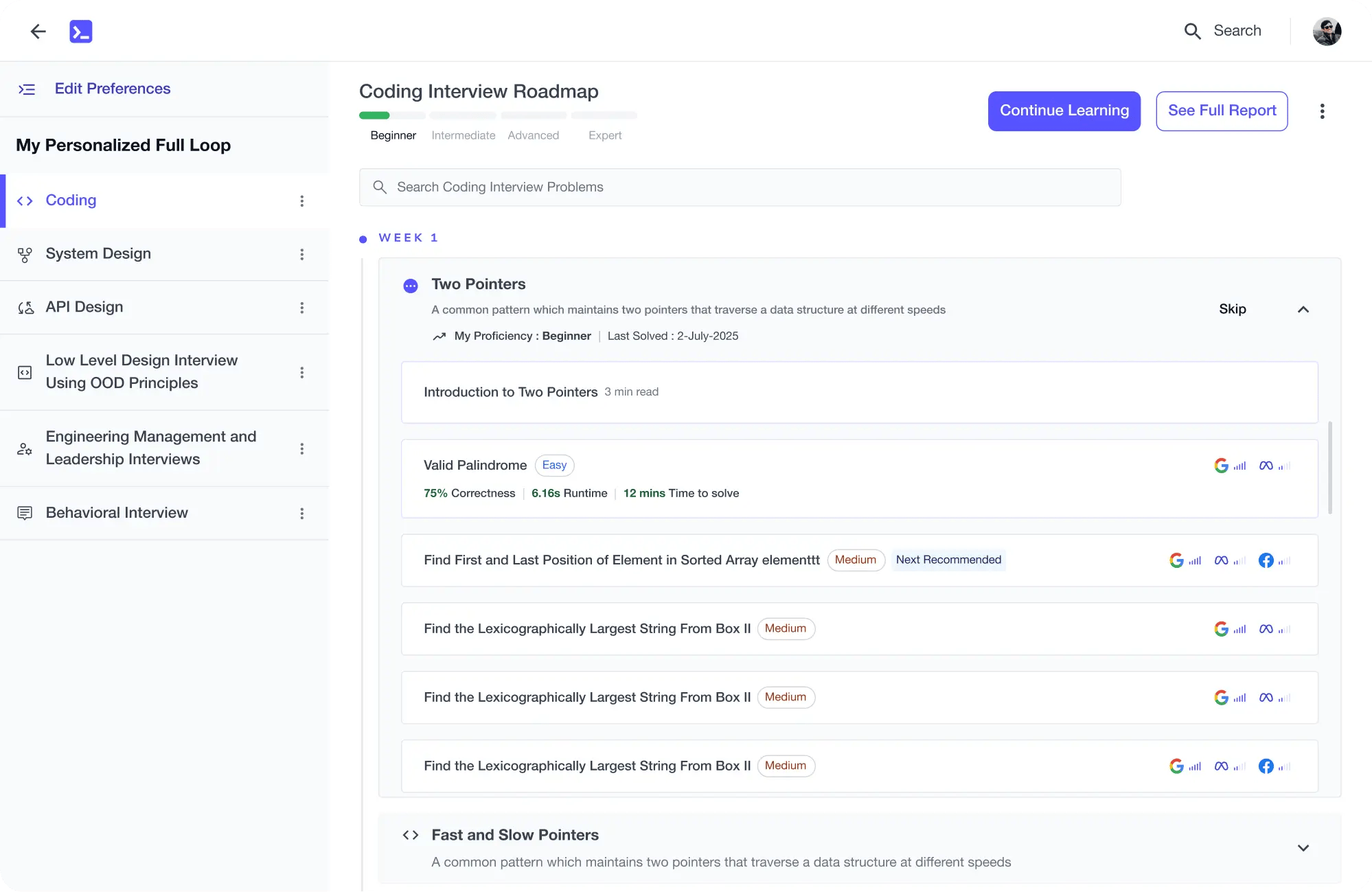
Personalized Roadmaps
The platform adapts to your strengths & skills gaps as you go
Future-proof Your Career
Get hands-on with in-demand skills
AI Code Mentor
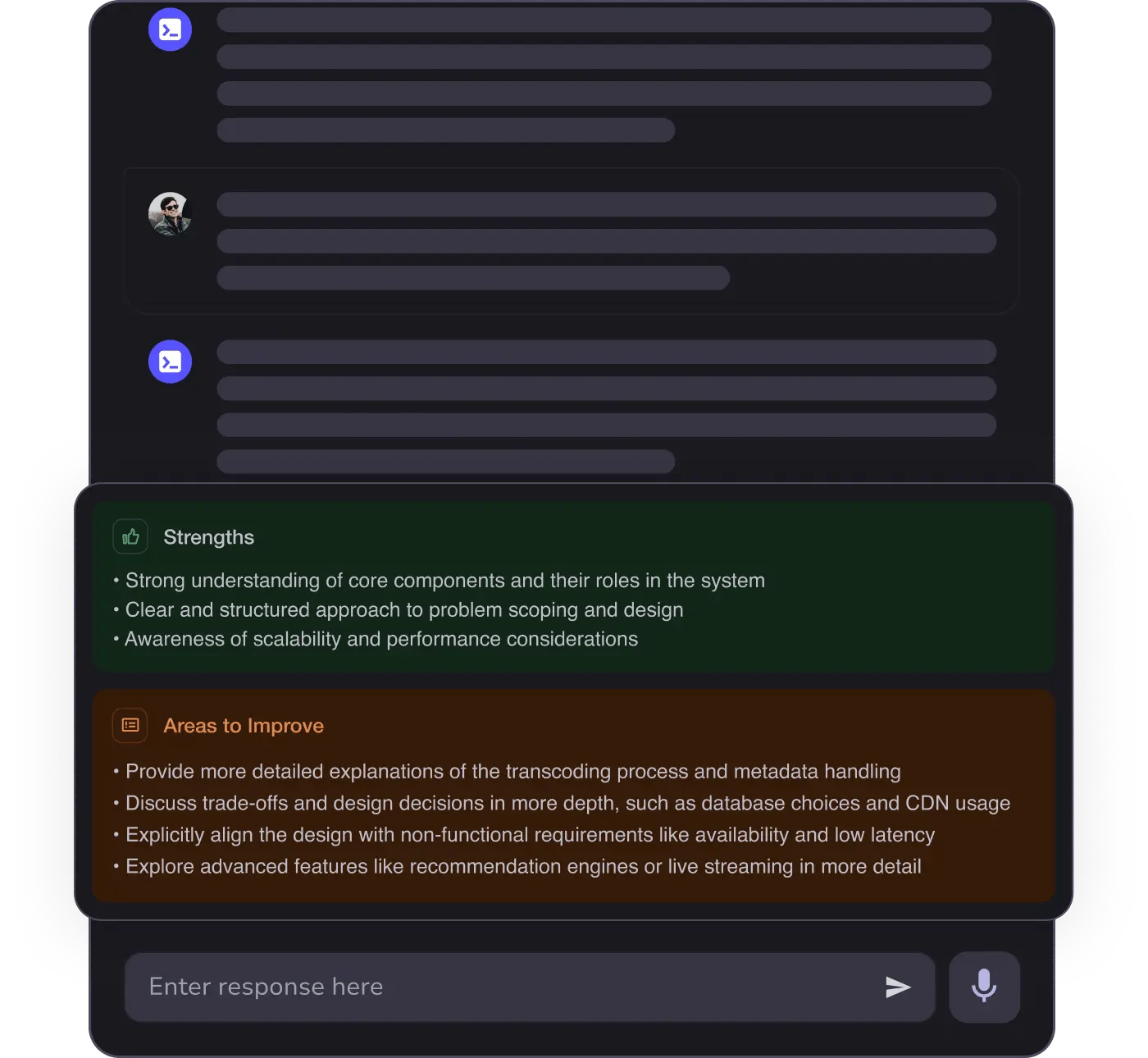
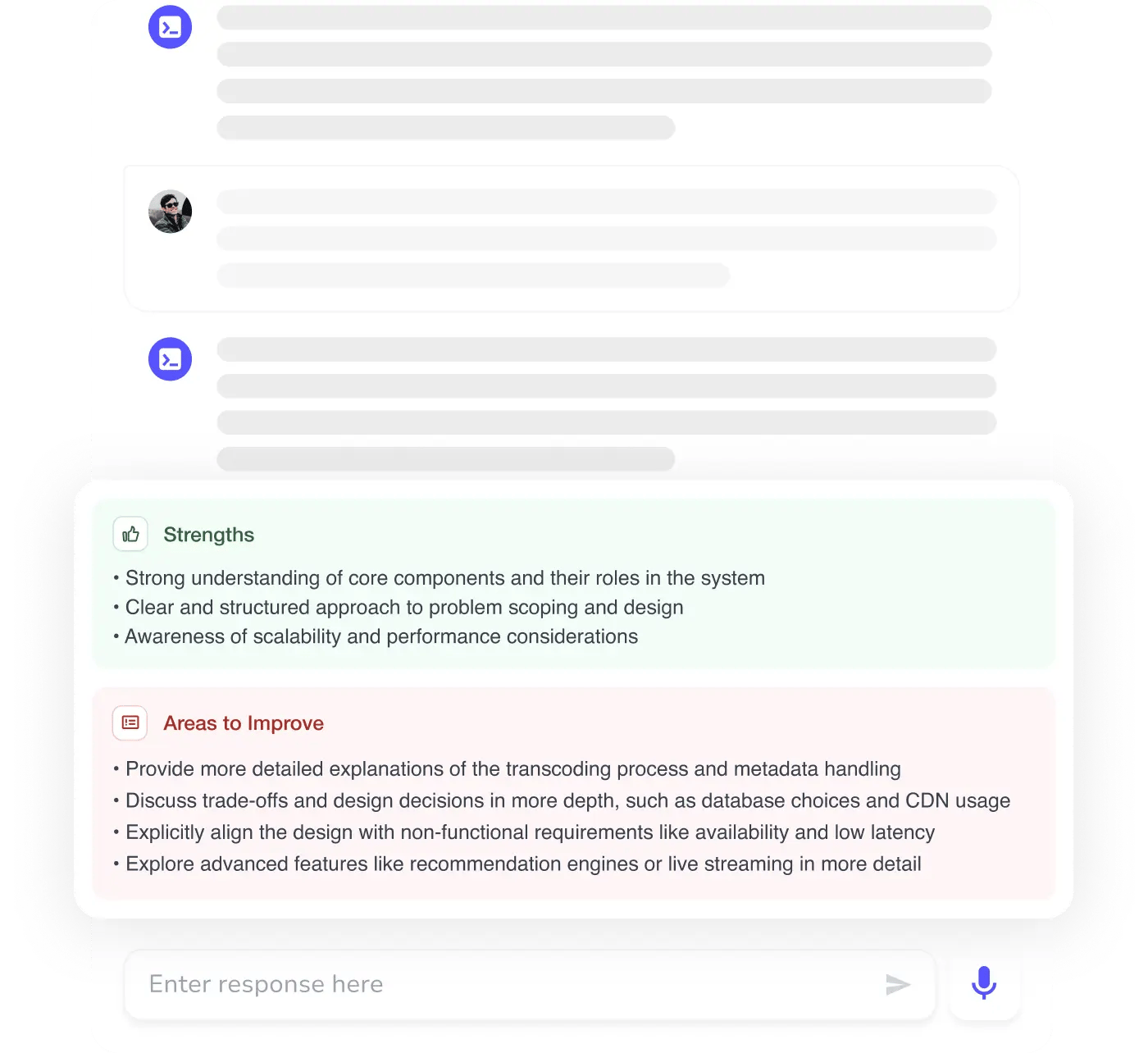
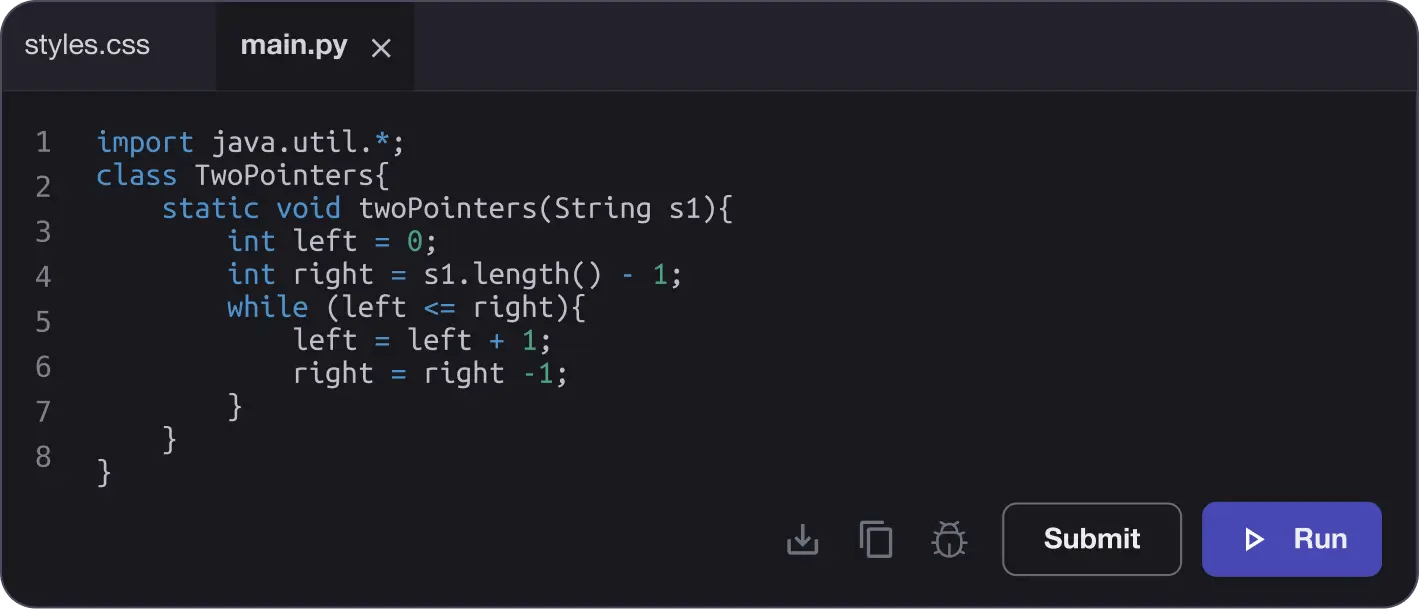
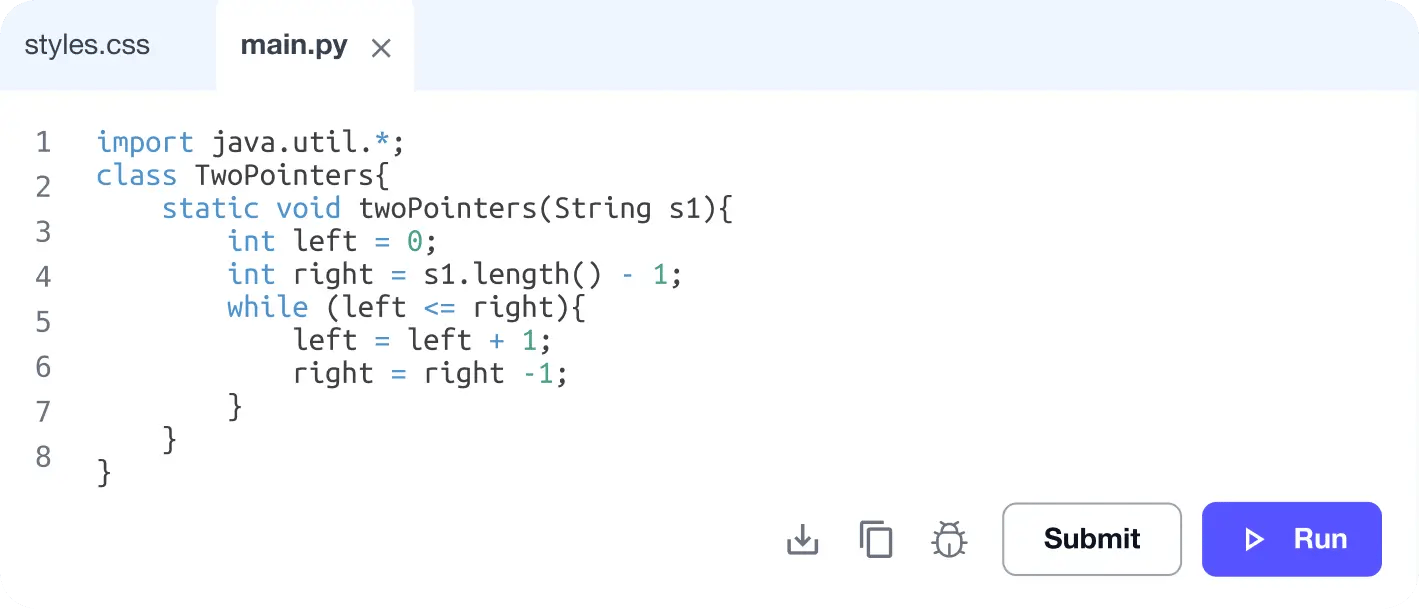
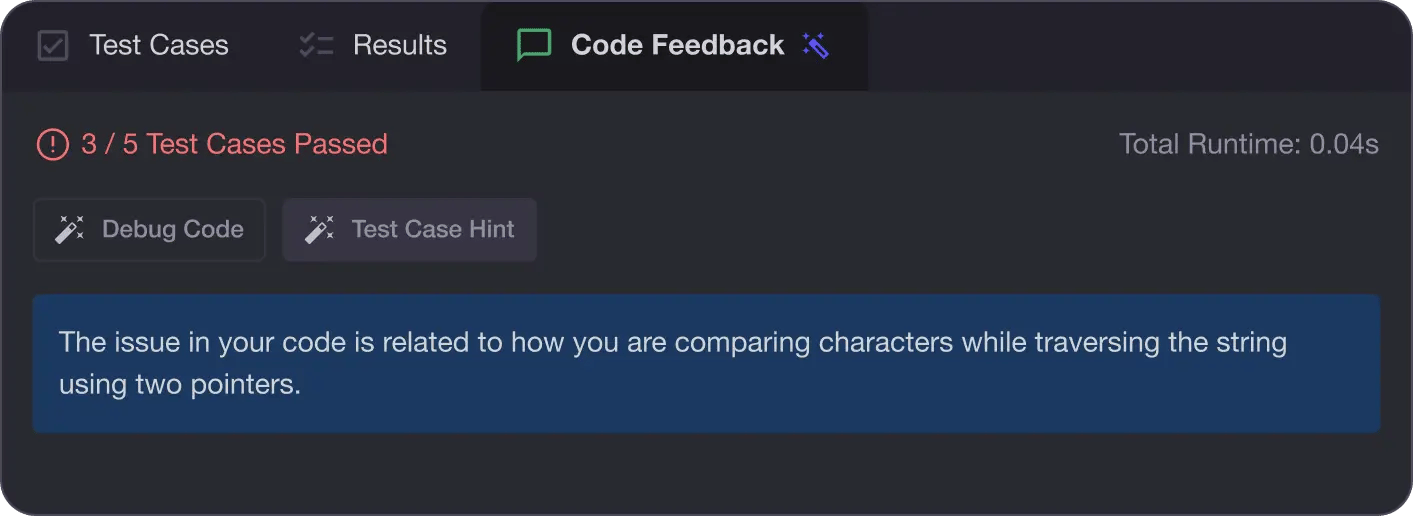
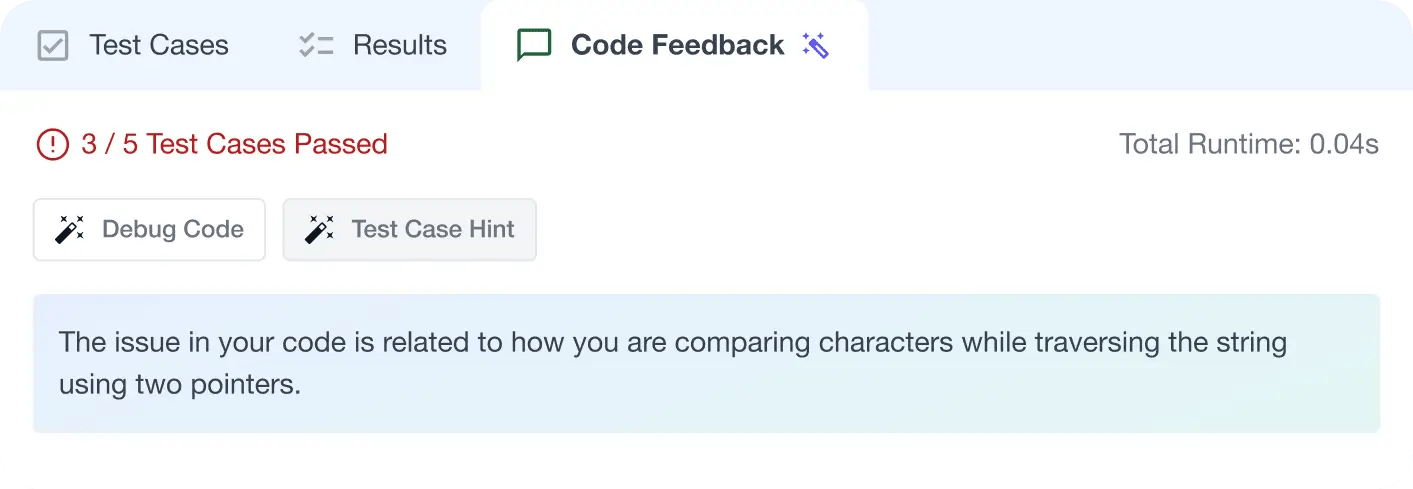
Write better code with AI feedback, smart debugging, and "Ask AI"
MAANG+ Interview Prep
AI Mock Interviews simulate every technical loop at top companies