Introduction: Following the Rhythms of TDD
Discover how to follow the core rhythms of test-driven development to structure your coding process effectively. Learn the red, green, refactor cycle and the Arrange, Act, Assert pattern to write cleaner, simpler, and easier-to-integrate code. This lesson guides you through techniques to refine your code steadily while ensuring it remains defect-free and easy to maintain in larger applications.
We'll cover the following...
We know how individual unit tests help us explore and capture design decisions about our code and keep our code defect-free and simple to use, but that’s not all they can do.
Rhythms of TDD
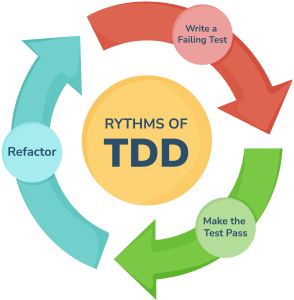
TDD has rhythms that help us with the whole development cycle. By following the rhythms, we have a guide on what to do next in each step. It is helpful to have this technical structure that allows us to think deeply about engineering good code and then capture the results. The first rhythm was covered in the last section. Inside each test, we have a rhythm of writing the Arrange, Act, and Assert sections. We’ll add some detailed observations on succeeding with this next.

Chapter goals
We’ll cover the larger rhythm that guides us as we refine our code, known as the red, green, refactor (RGR) cycle. Together, they help us craft our code to be easy to integrate into the broader application and made of clean, simple-to-understand code. Applying these two rhythms ensures that we deliver high-quality code at pace. It provides us with several small milestones to hit during each coding session. This is highly motivating, as we gain a sense of steady progress toward our goal of building our application.
In this section, we’re going to cover the following topics: