AI-powered learning
Save this course
The Practical Guide to Python for Scientists and Engineers
Gain insights into using Python for scientific and engineering applications. Delve into real-world scenarios, learn NumPy, Matplotlib, audio processing, and more through practical, hands-on projects.
46 Lessons
2 Projects
7h 30min
Join 3.1 million developers at
Join 3.1 million developers at
LEARNING OBJECTIVES
- The learners will use Python for real-world scientific/engineering applications.
- The learners will learn how to use python libraries.
- The learners will learn Multithreading in python.
- The learners will learn Machine learning in python.
- The learners will learn how to work around with Images and Videos in python.
Learning Roadmap
1.
Introduction
Introduction
Get familiar with Python's versatility, key libraries, IPython's functionality, and hands-on exercises.
2.
Create a Word Counter in Python
Create a Word Counter in Python
Get started with building a Python word counter through file handling and function utilization.
3.
An Introduction to NumPy and Matplotlib
An Introduction to NumPy and Matplotlib
4 Lessons
4 Lessons
Work your way through NumPy arrays and Matplotlib for efficient data visualization in Python.
4.
Python pandas
Python pandas
9 Lessons
9 Lessons
Grasp the fundamentals of utilizing pandas for data analysis, including visualization, dataset management, and demographic-based insights.
5.
Audio Processing
Audio Processing
5 Lessons
5 Lessons
Solve problems in creating, analyzing, plotting, and cleaning sine waves with Python and FFT.
6.
Image and Video Processing
Image and Video Processing
9 Lessons
9 Lessons
Tackle image and video processing fundamentals, including image display, blurring, edge detection, and facial recognition.
7.
MultiThreading vs. Multiprocessing in Python
MultiThreading vs. Multiprocessing in Python
2 Lessons
2 Lessons
Master the steps to distinguish between Python's multithreading and multiprocessing, optimizing performance.
8.
Machine Learning with an Amazon-like Recommendation Engine
Machine Learning with an Amazon-like Recommendation Engine
4 Lessons
4 Lessons
Step through creating a recommendation engine from user behavior and correlations.
9.
Conclusion
Conclusion
2 Lessons
2 Lessons
Discover the logic behind applying Python for engineering, problem-solving, and future learning paths.
Certificate of Completion
Showcase your accomplishment by sharing your certificate of completion.
Complete more lessons to unlock your certificate
Developed by MAANG Engineers
ABOUT THIS COURSE
In this course, you will learn to use Python for real-world scientific/engineering applications. For each topic, there will be a real case scenario where you will build a quick solution in Python to solve the problem.
More specifically, you will cover topics such as creating a word counter, NumPy and Matplotlib, audio processing, and a lot more. Throughout each chapter, you will get hands-on experience in building solutions for complex problems that engineers and scientists face every day.
ABOUT THE AUTHOR
Shantnu Tiwari
I have been programming professionally for 17+ years. Starting in embedded development, I moved to Automation using Python. I have written 5 books in Python and created many courses on it as well. My site: https://new.pythonforengineers.com/
Trusted by 3.1 million developers working at companies
A
Anthony Walker
@_webarchitect_
E
Evan Dunbar
ML Engineer
S
Software Developer
Carlos Matias La Borde
S
Souvik Kundu
Front-end Developer
V
Vinay Krishnaiah
Software Developer
Built for 10x Developers
No Passive Learning
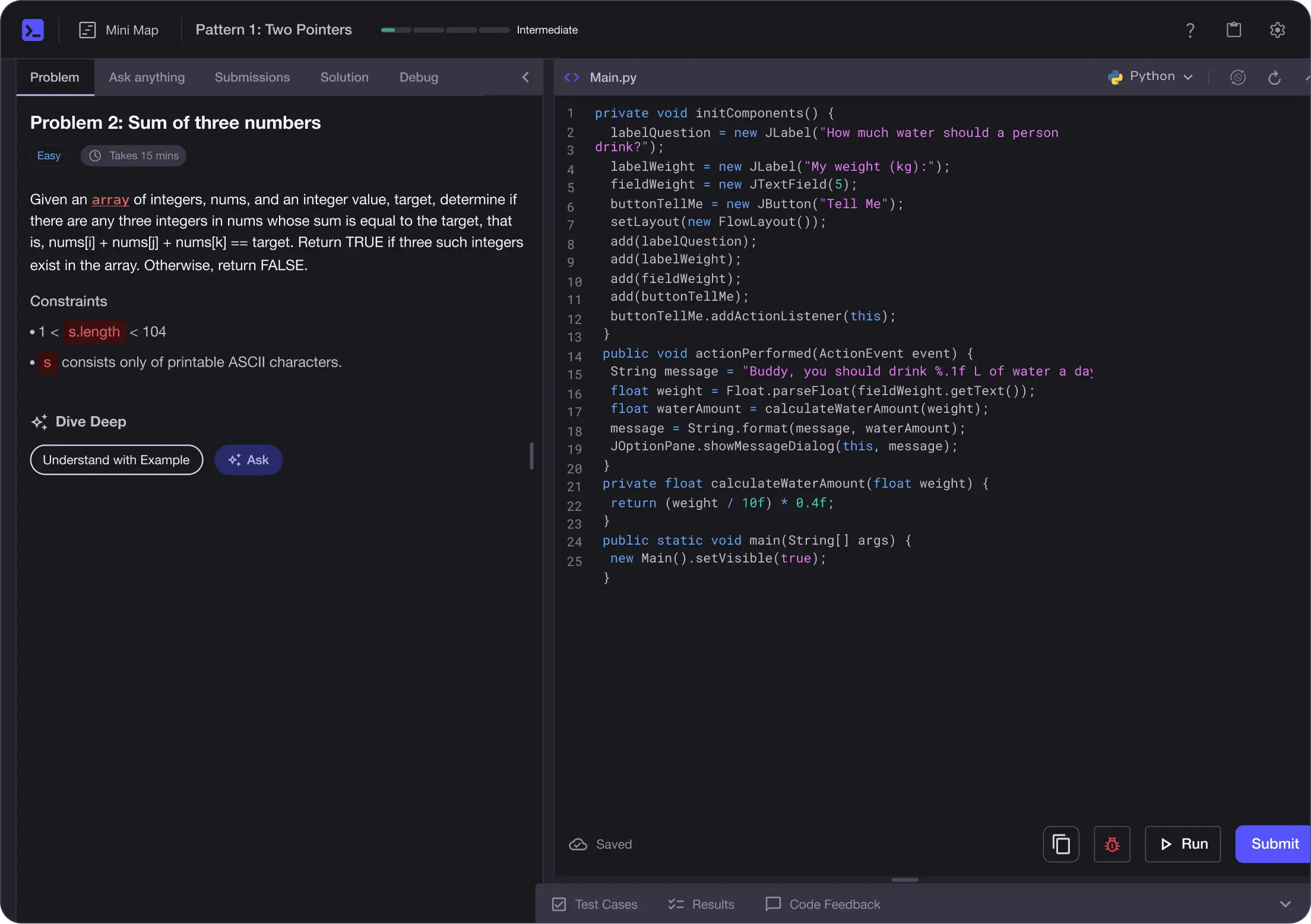
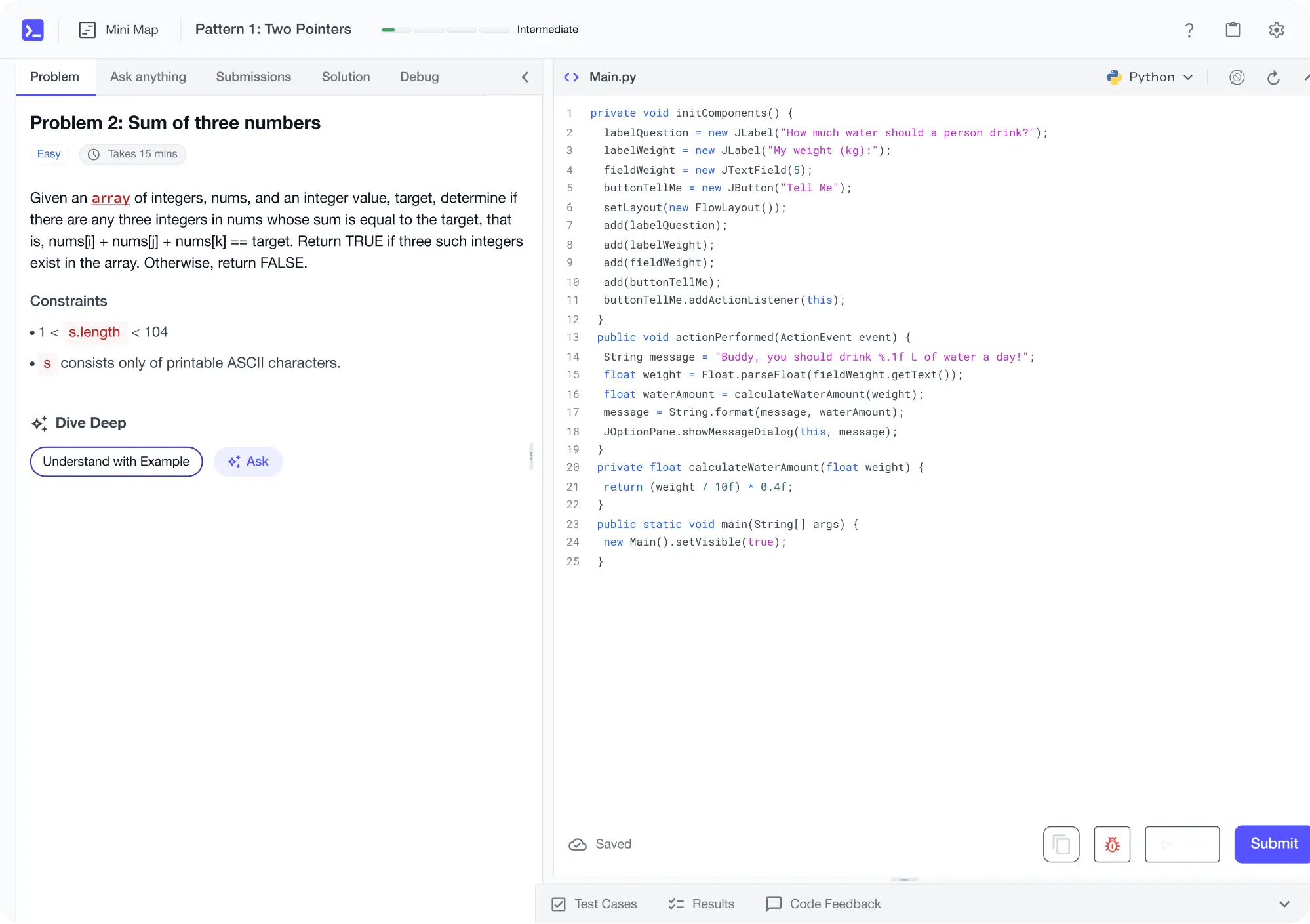
Learn by building with project-based lessons and in-browser code editor
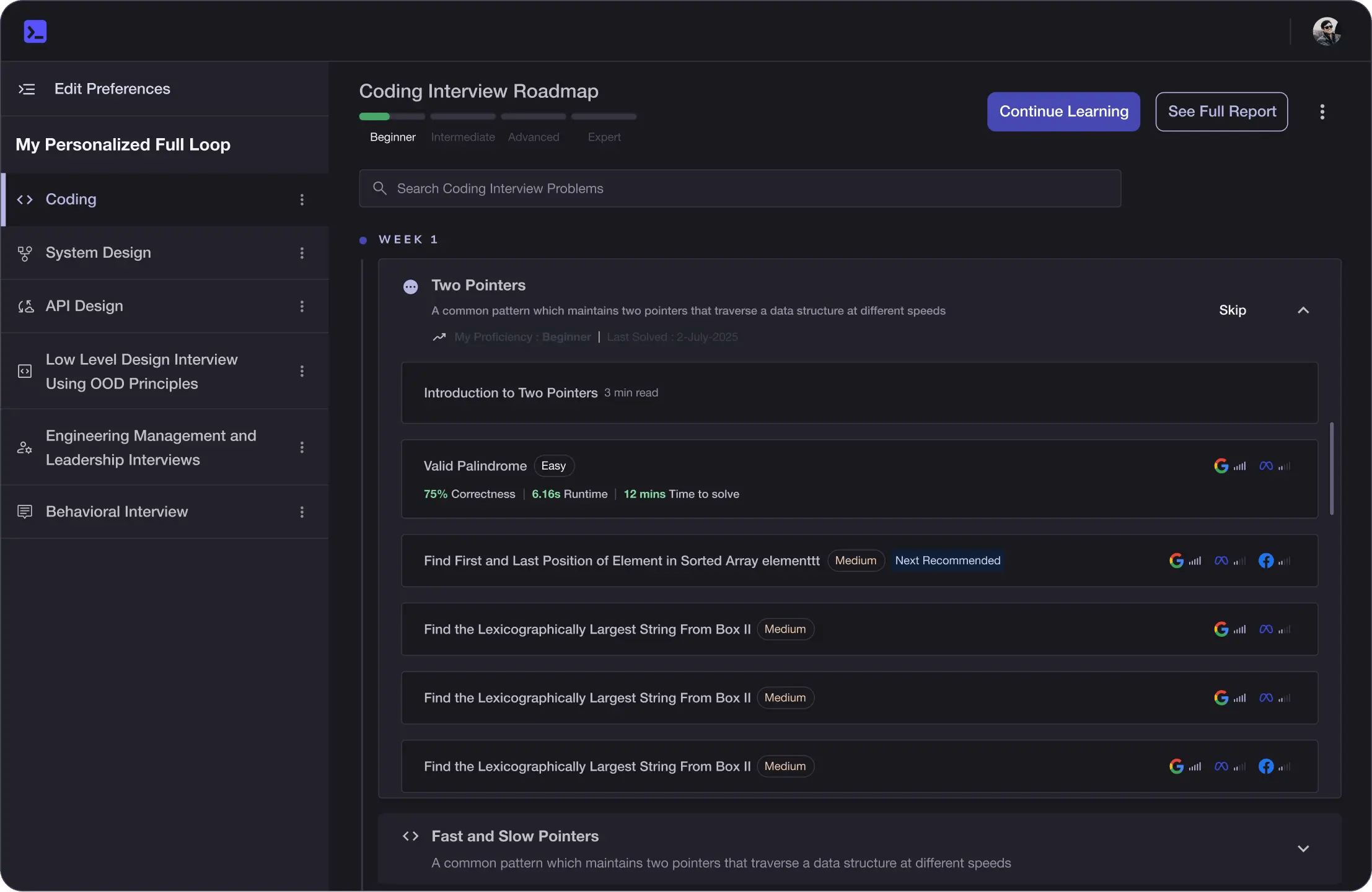
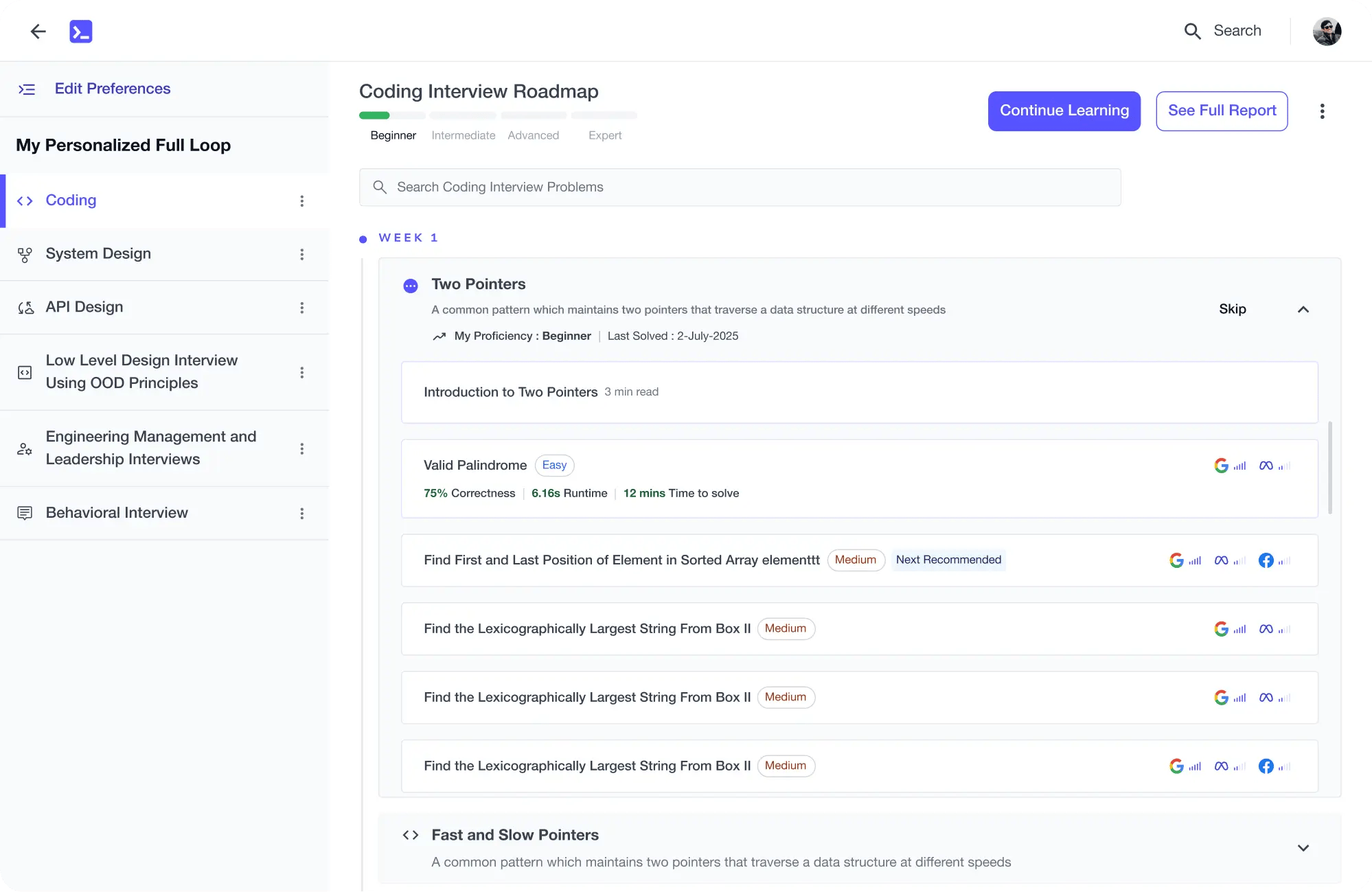
Personalized Roadmaps
The platform adapts to your strengths & skills gaps as you go
Future-proof Your Career
Get hands-on with in-demand skills
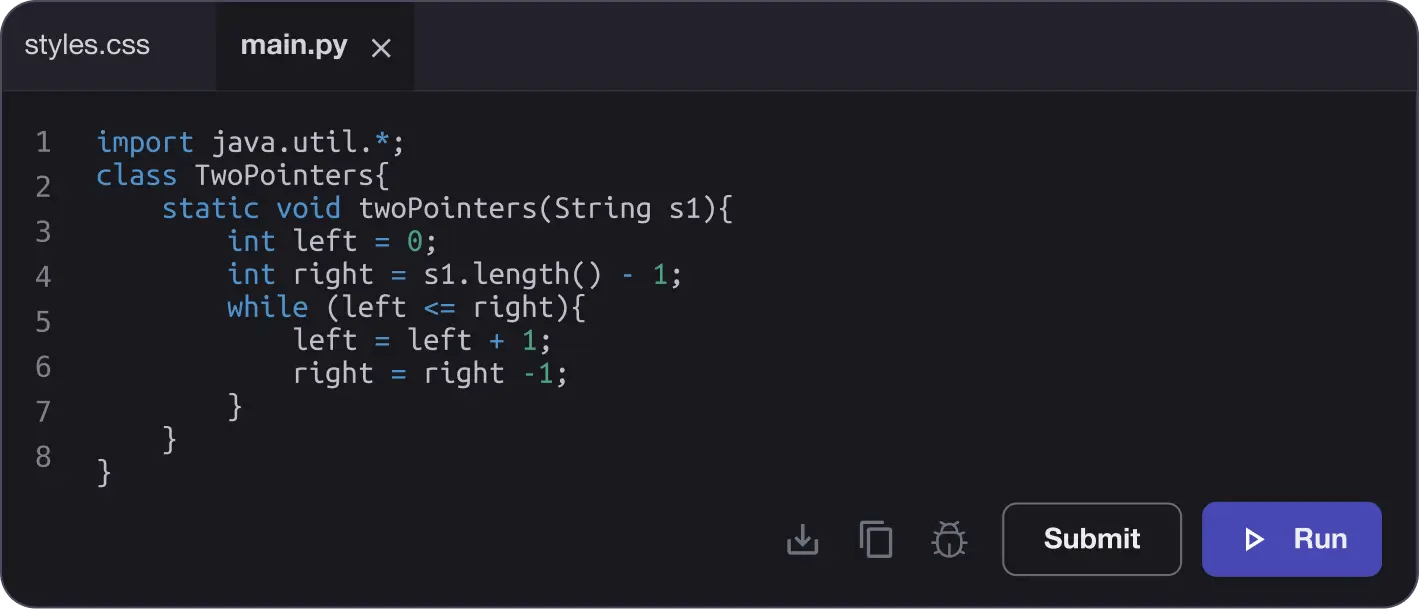
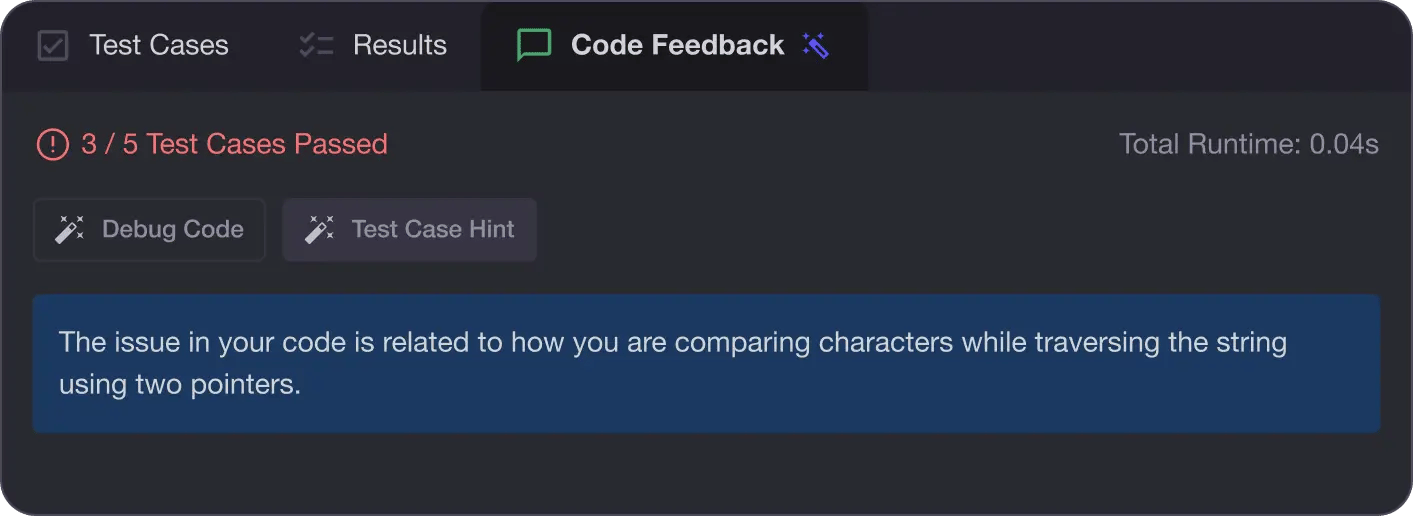
AI Code Mentor
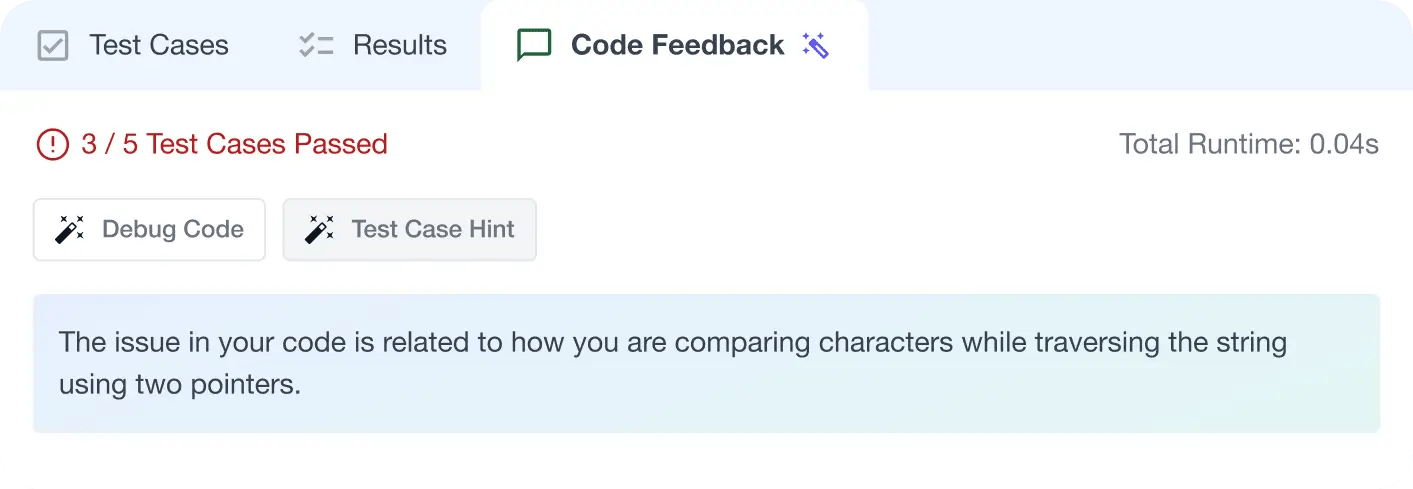
Write better code with AI feedback, smart debugging, and "Ask AI"
MAANG+ Interview Prep
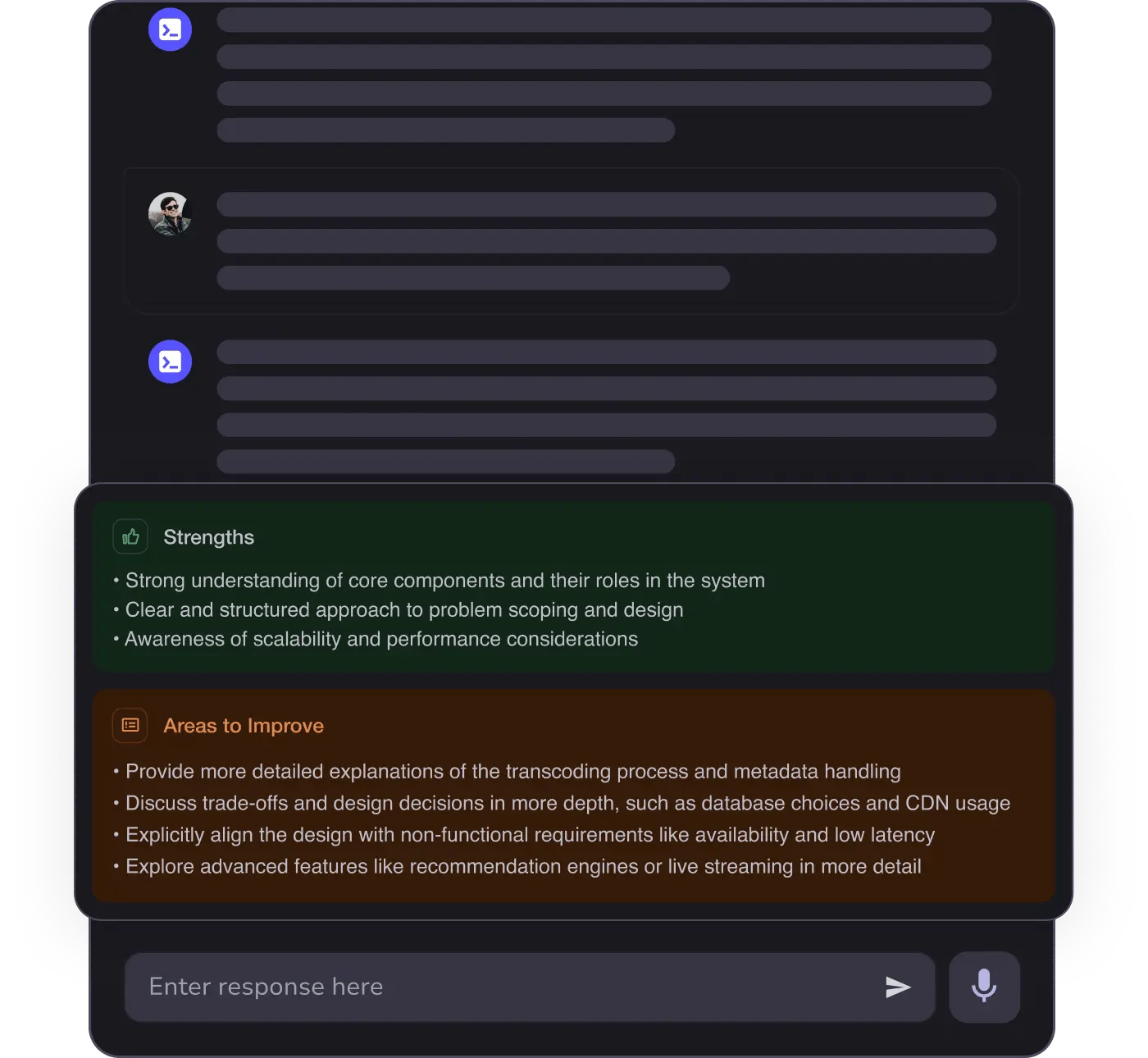
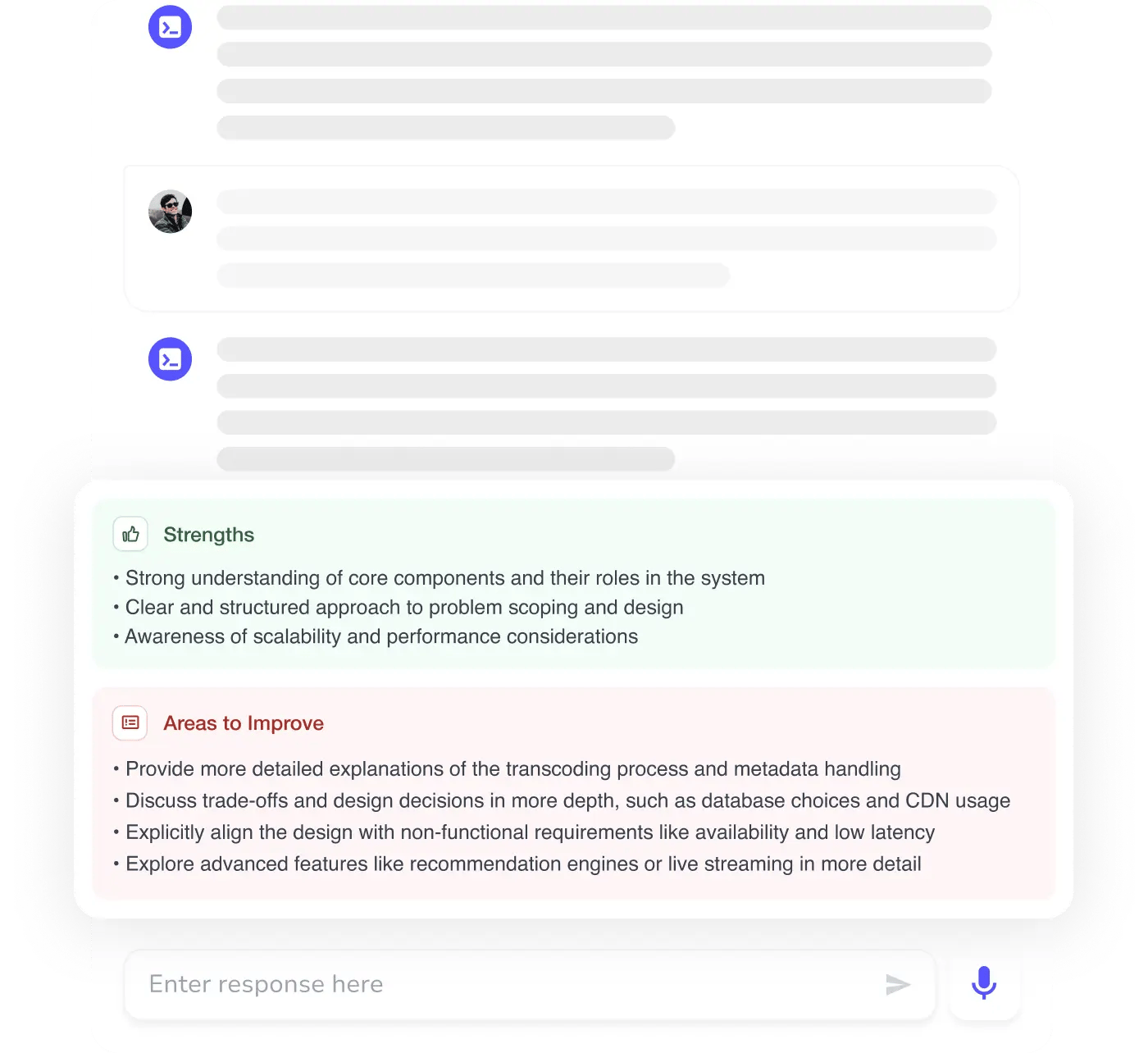
AI Mock Interviews simulate every technical loop at top companies