AI-powered learning
Save this course
Microservice Architecture: Practical Implementation
Gain insights into real-world microservice implementation, exploring tech stacks, Kafka, Docker, Kubernetes, synchronous and asynchronous integrations, and more with hands-on coding demonstrations.
4.6
112 Lessons
2 Projects
8h
Updated 5 months ago
Join 3 million developers at
Join 3 million developers at
LEARNING OBJECTIVES
- Identify suitable microservice implementation stacks by comparing pros and cons of key technologies
- Apply self-contained systems (SCS) to split domains into independent UI, logic, and data components
- Implement modular frontend integration using links, redirects, and JavaScript transclusion
- Build server-side frontend integration with ESI using Varnish, Docker, and VCL configuration
- Implement asynchronous microservices using events, event sourcing, Kafka, and REST Atom feeds
- Implement synchronous microservices with service discovery, routing, load balancing, and resilience stacks
- Deploy and operate containerized microservices using Docker Compose, Kubernetes, and Cloud Foundry
Learning Roadmap
1.
Preface
Preface
Step through microservice technologies, integration concepts, and practical implementation examples.
2.
Self-contained Systems
Self-contained Systems
Unpack the core of self-contained systems, their benefits, challenges, and microservice integration.
3.
Concept: Frontend Integration
Concept: Frontend Integration
9 Lessons
9 Lessons
Work your way through the nuances of integrating microservices with web frontends, striking a balance between monolithic and modular designs.
4.
Recipe: Links and Client-side Integration
Recipe: Links and Client-side Integration
8 Lessons
8 Lessons
Grasp the fundamentals of frontend integration using links and microservices in web applications.
5.
Recipe: Server-side Integration using Edge Side Includes (ESI)
Recipe: Server-side Integration using Edge Side Includes (ESI)
7 Lessons
7 Lessons
Map out the steps for integrating web applications using Edge Side Includes (ESI).
6.
Concept: Asynchronous Microservices
Concept: Asynchronous Microservices
10 Lessons
10 Lessons
Investigate asynchronous microservices to enhance flexibility, resilience, and decoupling in systems.
7.
Recipe: Messaging and Kafka
Recipe: Messaging and Kafka
13 Lessons
13 Lessons
Practice using Kafka for asynchronous microservices communication, event sourcing, and data management.
8.
Recipe: Asynchronous Communication with Atom and REST
Recipe: Asynchronous Communication with Atom and REST
7 Lessons
7 Lessons
Try out asynchronous communication in microservices using Atom, HTTP, and REST.
9.
Concept: Synchronous Microservices
Concept: Synchronous Microservices
6 Lessons
6 Lessons
Unpack the core of synchronous microservices, their integration, benefits, and accompanying challenges.
10.
Recipe: REST with the Netflix Stack
Recipe: REST with the Netflix Stack
10 Lessons
10 Lessons
Examine the Netflix stack for scalable microservices with service discovery, resilience, load balancing, and routing.
11.
Recipe: REST with Consul and Apache httpd
Recipe: REST with Consul and Apache httpd
10 Lessons
10 Lessons
Grasp the fundamentals of integrating Consul for service discovery with Apache httpd for routing.
12.
Concept: Microservices Platforms
Concept: Microservices Platforms
4 Lessons
4 Lessons
Take a closer look at microservices platforms, their operational benefits, and associated complexities.
13.
Recipe: Docker Containers with Kubernetes
Recipe: Docker Containers with Kubernetes
7 Lessons
7 Lessons
Implement Kubernetes for flexible container management, service discovery, load balancing, and resilience.
14.
Recipe: PaaS with Cloud Foundry
Recipe: PaaS with Cloud Foundry
7 Lessons
7 Lessons
Practice using Cloud Foundry for scalable microservices deployment and efficient operational management.
15.
Appendix
Appendix
5 Lessons
5 Lessons
Learn how to use tools like Git, JDK, Maven, Docker, and Docker Compose.
Certificate of Completion
Showcase your accomplishment by sharing your certificate of completion.
Complete more lessons to unlock your certificate
Developed by MAANG Engineers
ABOUT THIS COURSE
Microservices are one of the most important software architecture trends, but it’s one thing to define an architecture and quite another to implement it.
This course focuses on the nitty-gritty details of real-world implementation. You’ll learn recipes for tech stacks that can be used to implement microservices, as well as the pros and cons of each.
You’ll start by exploring some fundamental concepts for implementing microservices. Within each concept, you’ll learn about the different technologies used to implement it. The technologies include: Frontend Integration with Edge Side Includes (ESI), asynchronous microservices with Kafka and REST feeds, synchronous microservices with the Netflix stack and Consul, Docker, Kubernetes, Cloud Foundry. Each technology you learn about is described and then demonstrated with real code.
By the end of this course, you’ll be a microservice pro. Whether you’re a software engineer or an engineering manager, this course will prove useful throughout your career.
ABOUT THE AUTHOR

Eberhard Wolff
Eberhard Wolff has 15+ years of experience as an architect and consultant He is a Fellow at INNOQ in Germany. He has given talks at many conferences and has written more than 100 articles and books e.g. about Microservices and Continuous Delivery.
Trusted by 3 million developers working at companies
A
Anthony Walker
@_webarchitect_
E
Evan Dunbar
ML Engineer
S
Software Developer
Carlos Matias La Borde
S
Souvik Kundu
Front-end Developer
V
Vinay Krishnaiah
Software Developer
Built for 10x Developers
No Passive Learning
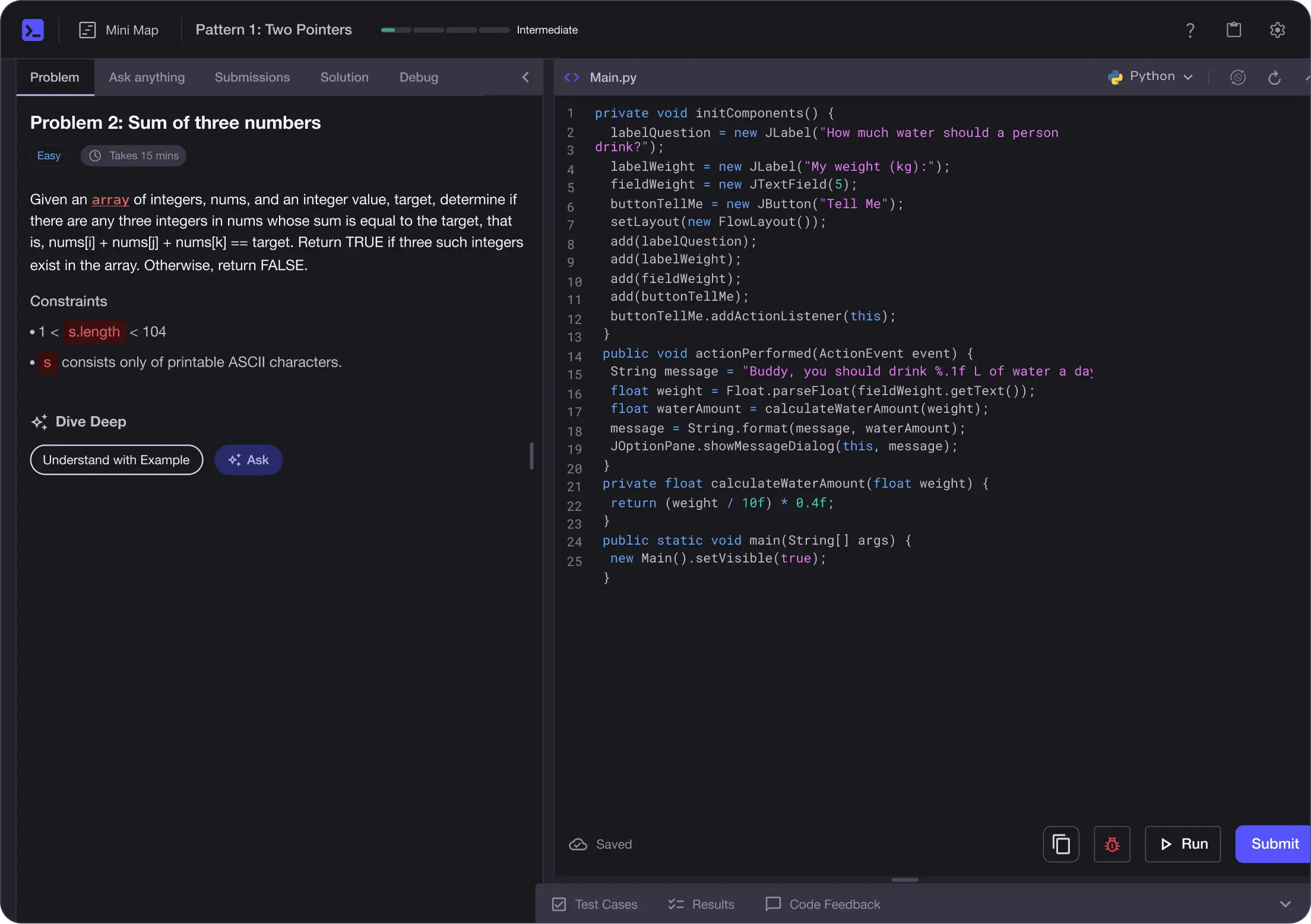
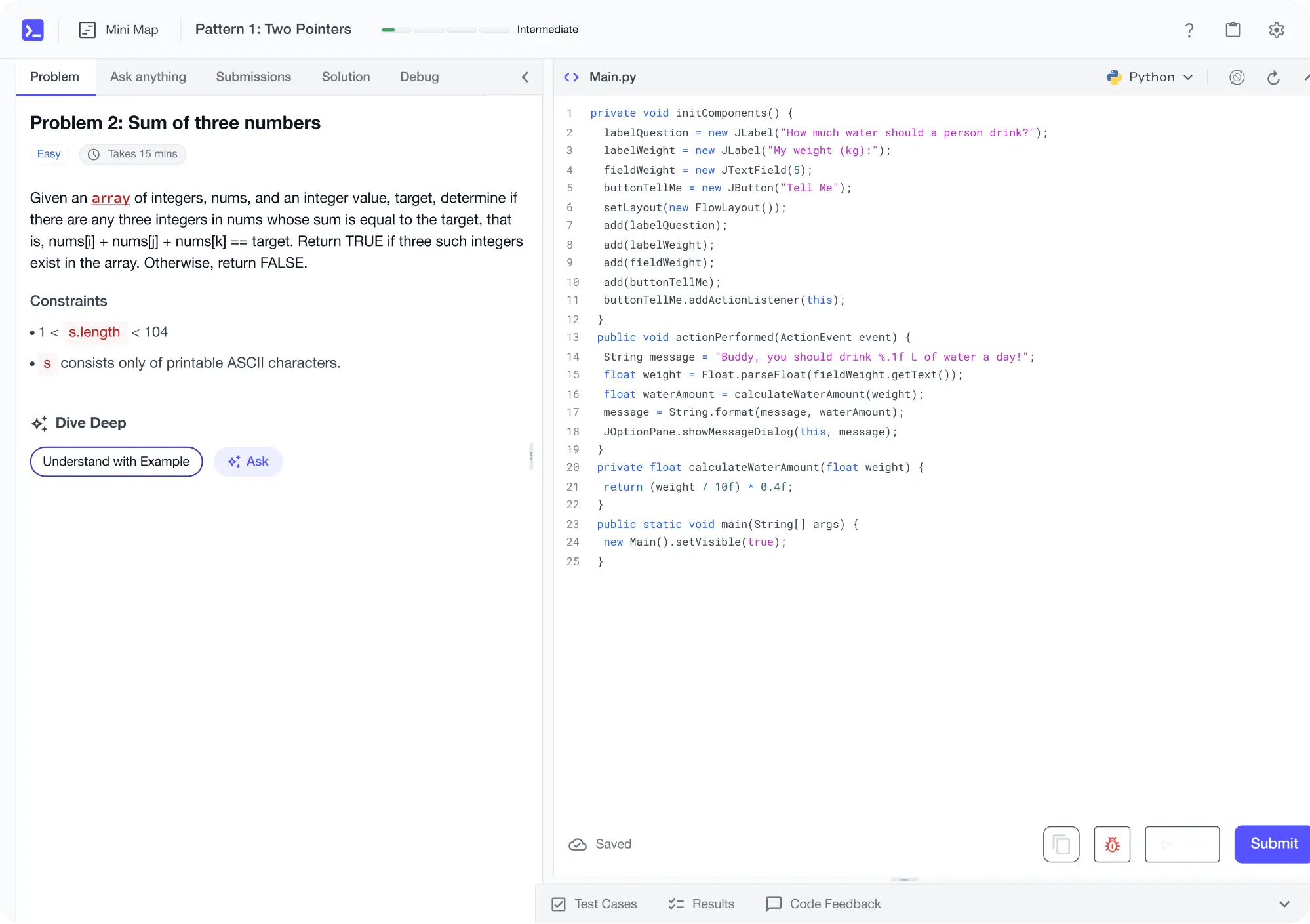
Learn by building with project-based lessons and in-browser code editor
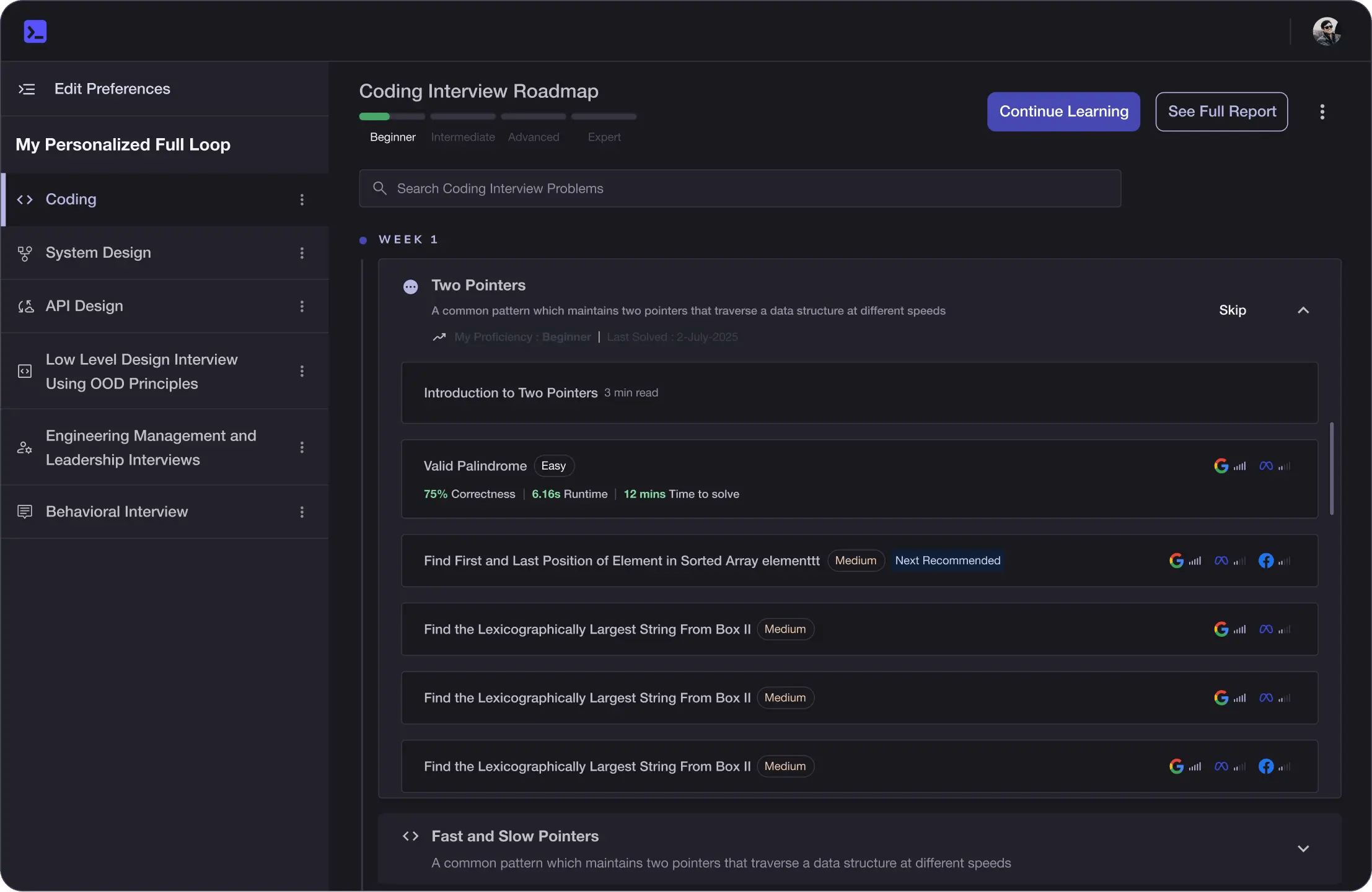
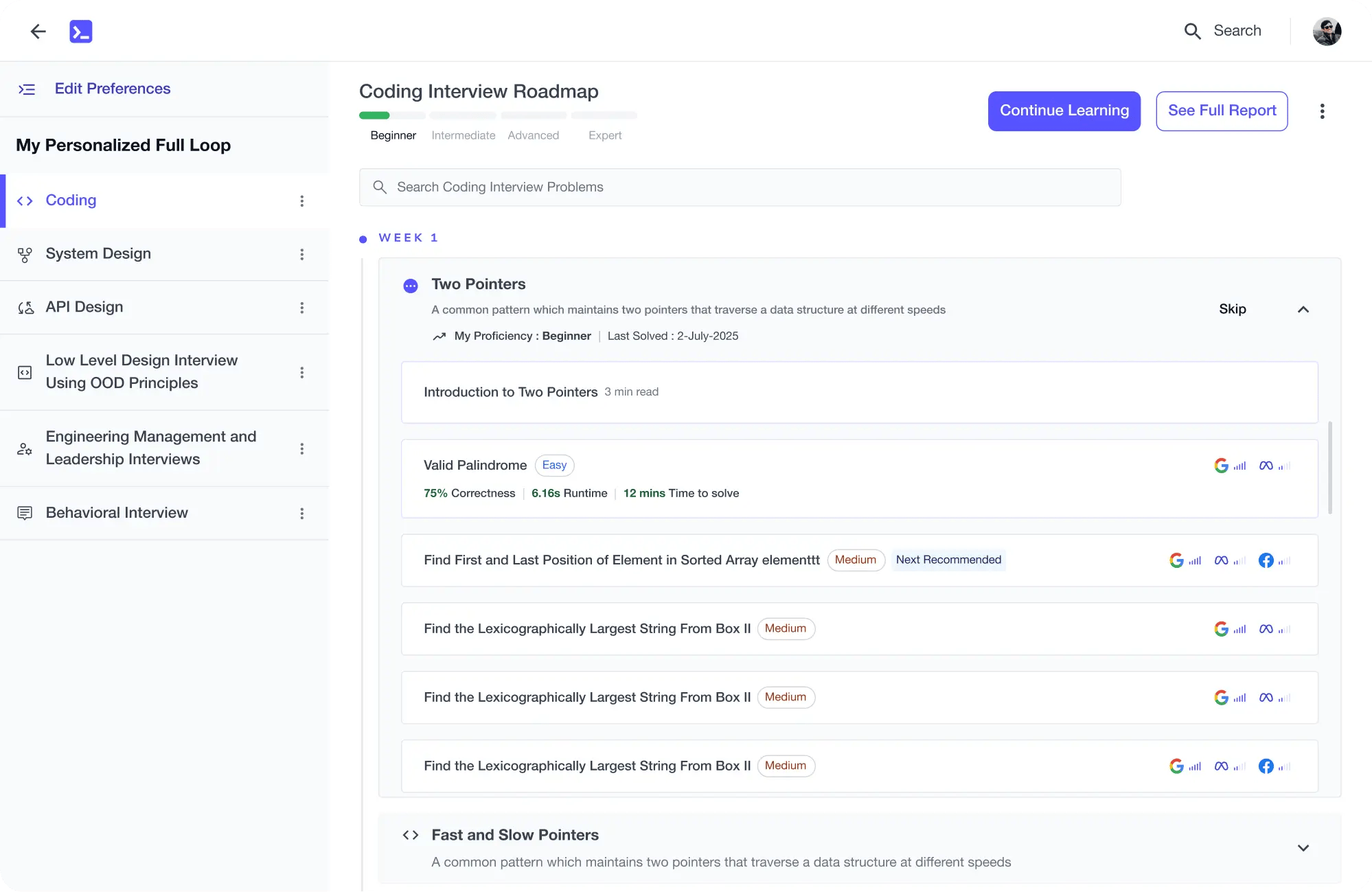
Personalized Roadmaps
The platform adapts to your strengths & skills gaps as you go
Future-proof Your Career
Get hands-on with in-demand skills
AI Code Mentor
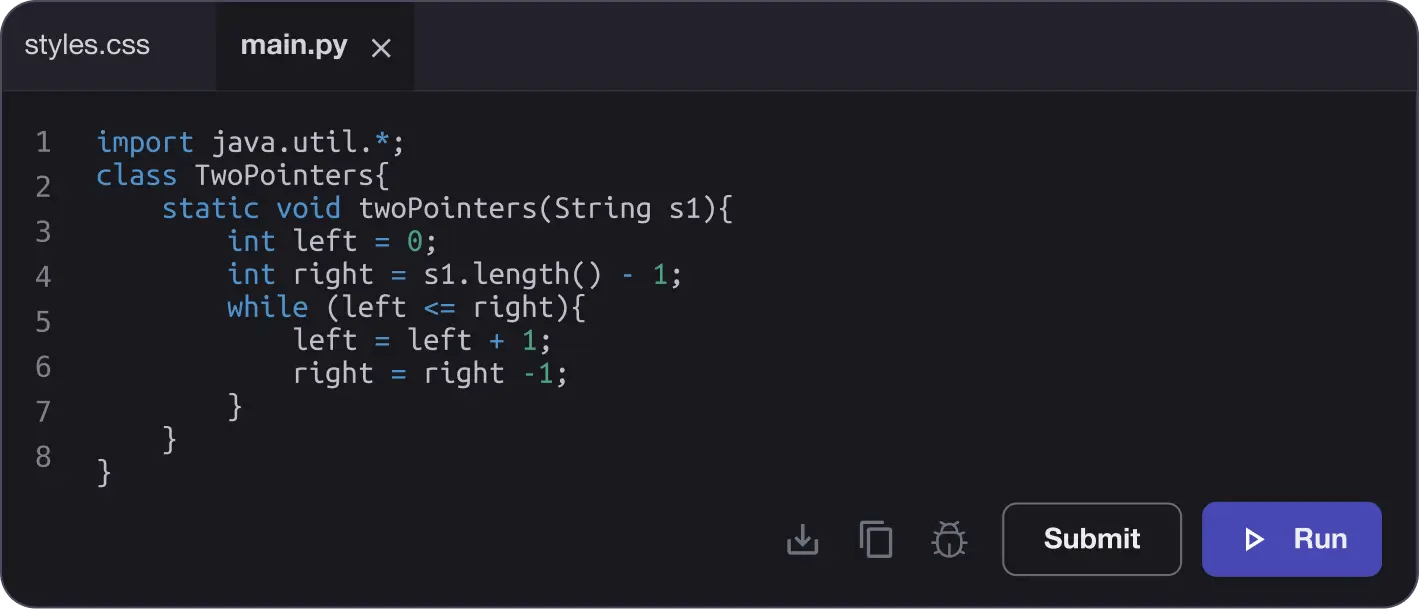
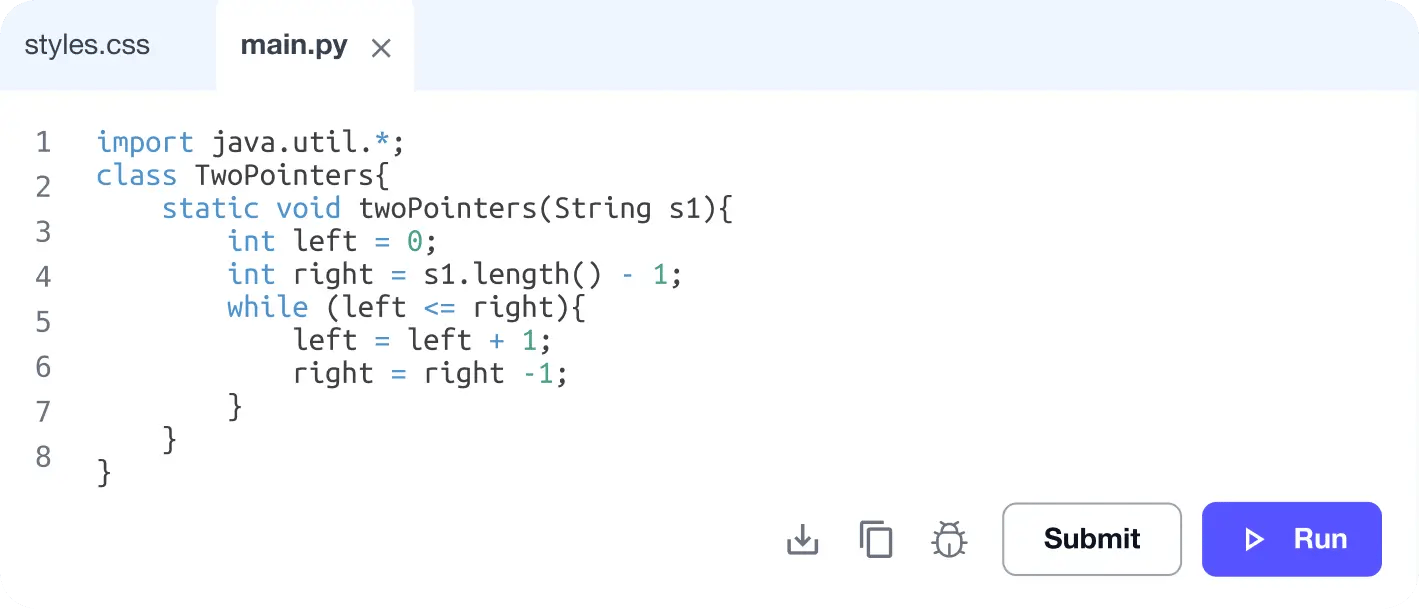
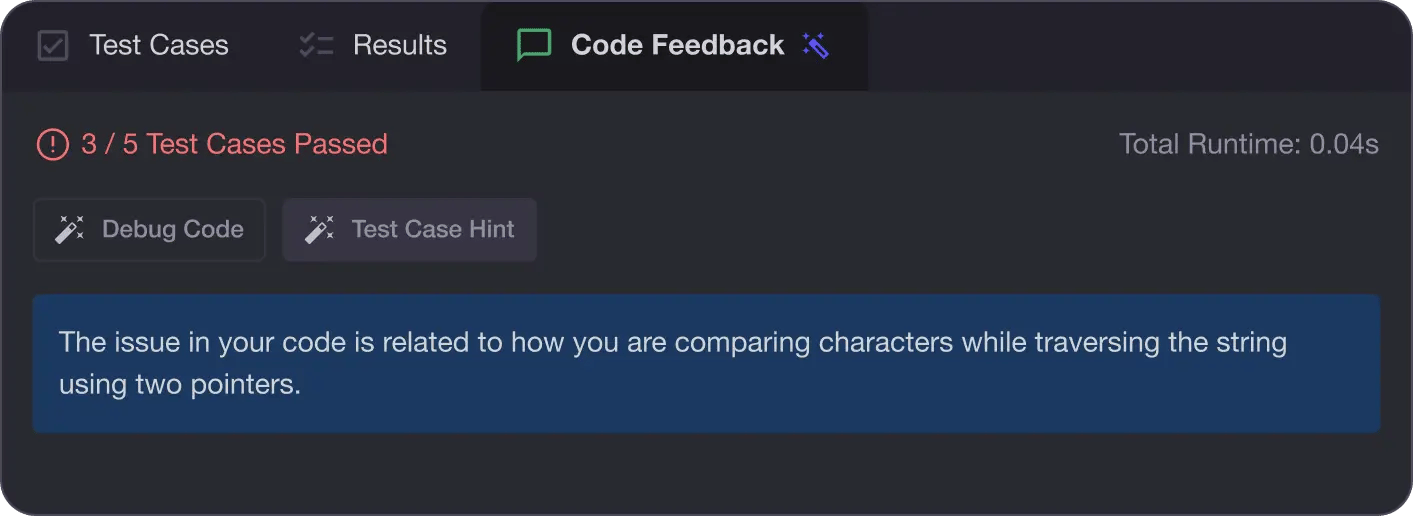
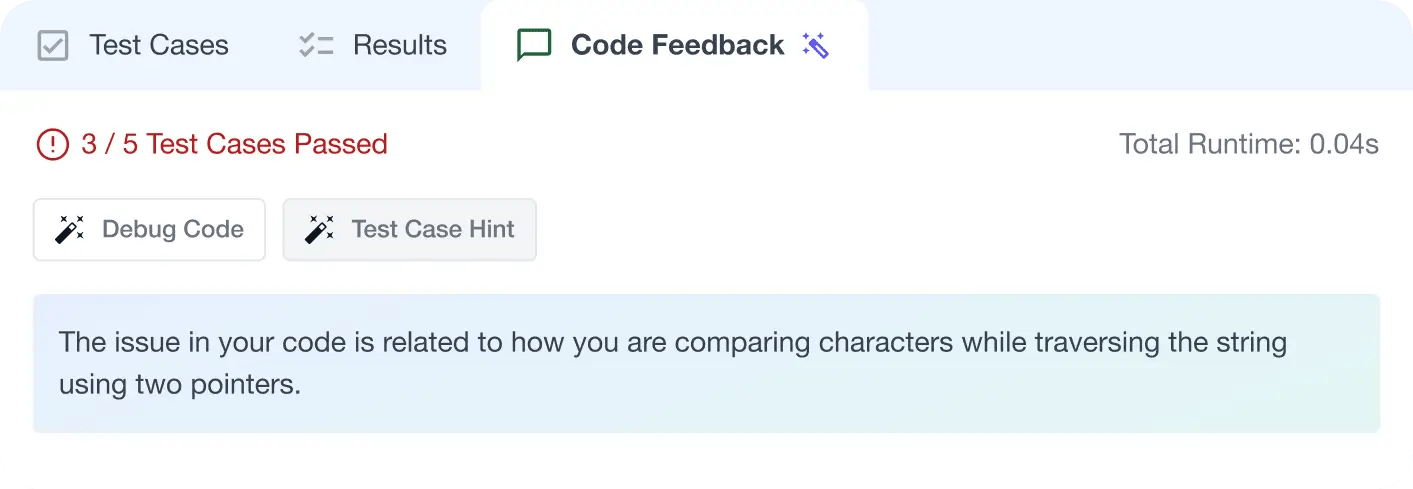
Write better code with AI feedback, smart debugging, and "Ask AI"
MAANG+ Interview Prep
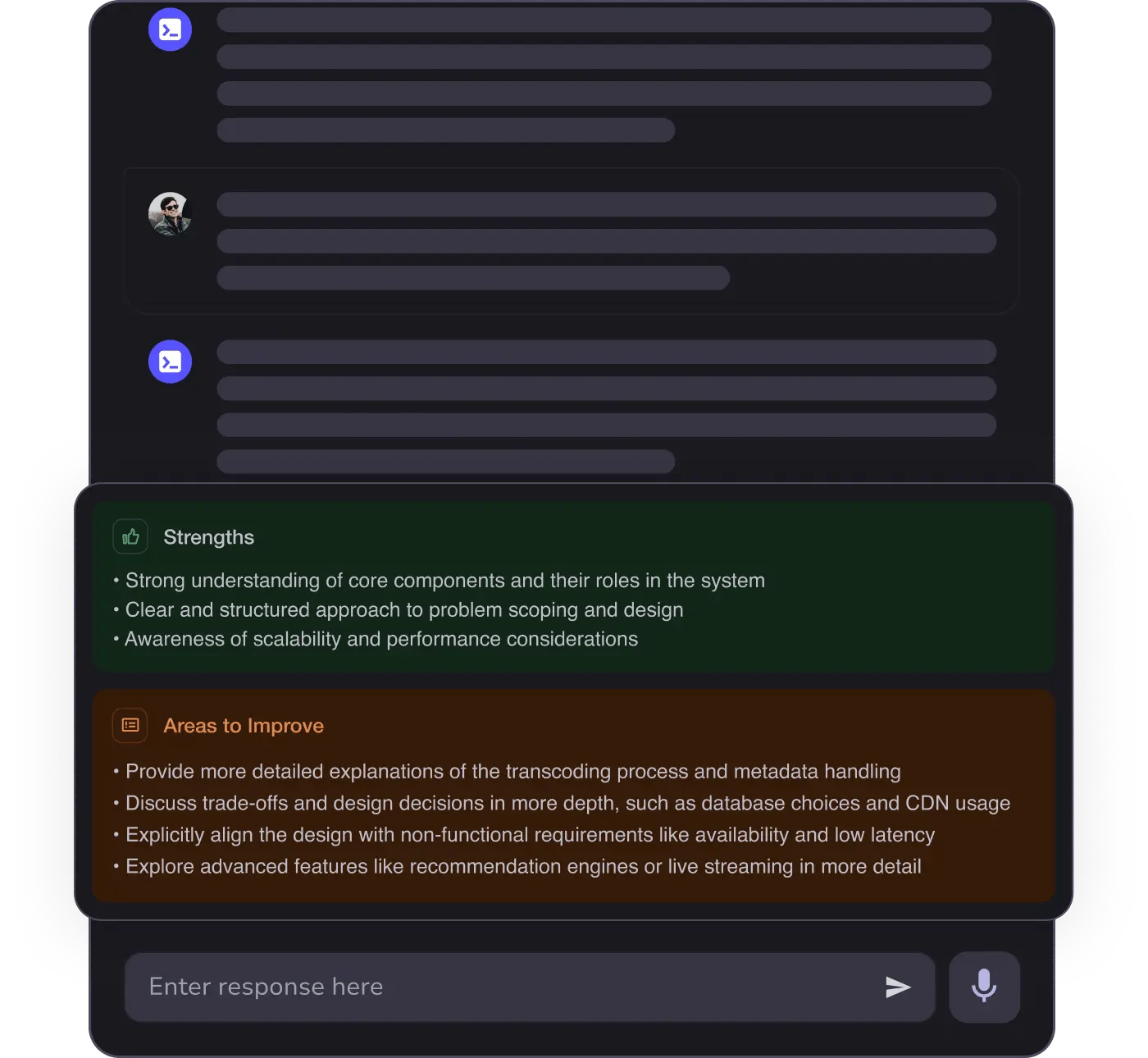
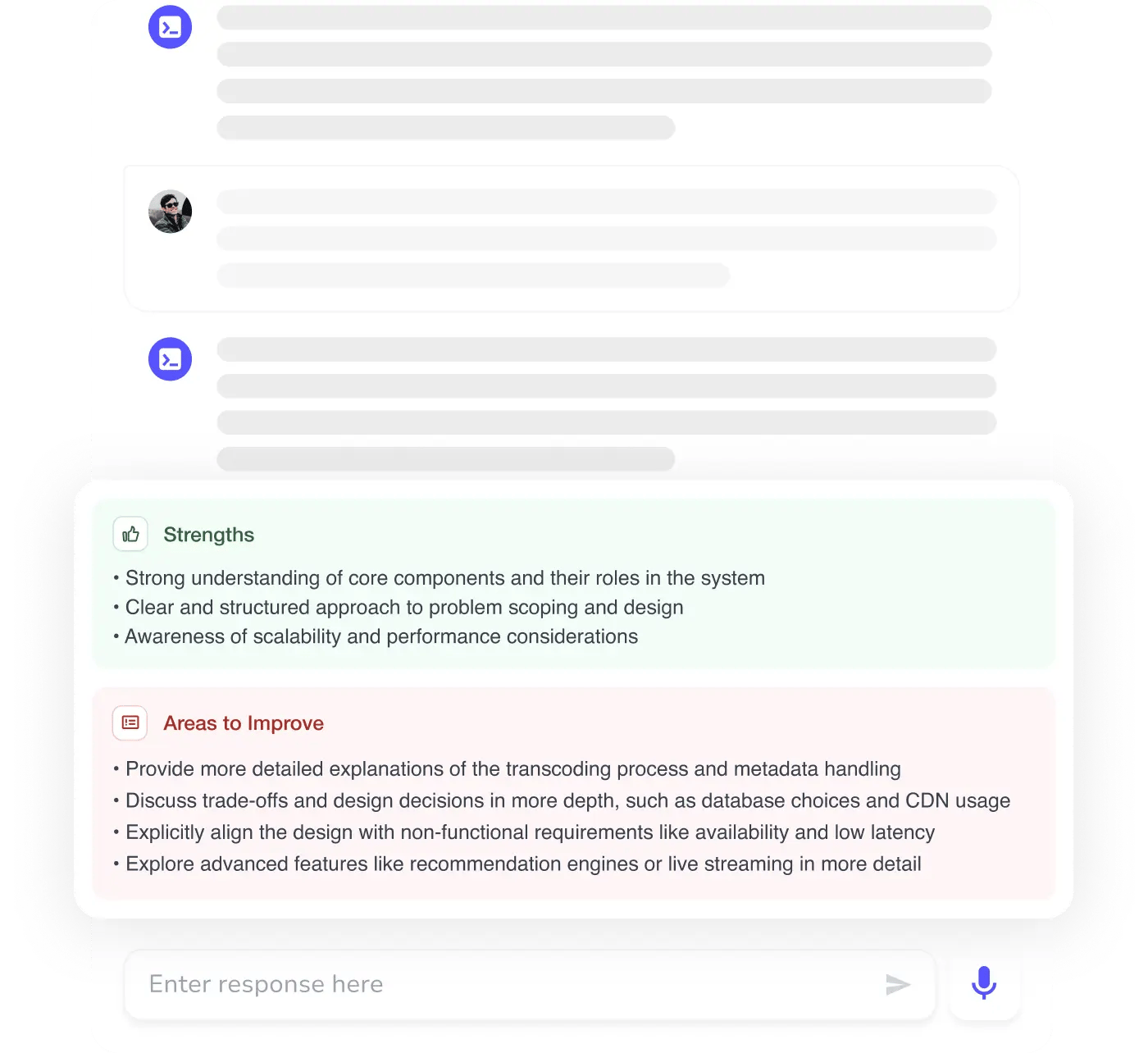
AI Mock Interviews simulate every technical loop at top companies