HomeCoursesFundamentals of Machine Learning: A Pythonic Introduction
AI-powered learning
Save

Fundamentals of Machine Learning: A Pythonic Introduction

Explore machine learning fundamentals by building algorithms from scratch and using scikit-learn, while mastering classic models and modern techniques through hands-on projects.

73 Lessons
8 Projects
14h
Updated 1 week ago
Join 3 million developers at
LEARNING OBJECTIVES
  • Explore core concepts of machine learning, including key algorithms and practical projects using Python and scikit-learn.
  • Understand the structured machine learning pipeline from data collection to deployment, applying concepts across various domains.
  • Differentiate between supervised, unsupervised, and reinforcement learning, identifying suitable approaches for different data problems.
  • Analyze the role of inputs, features, and targets in supervised learning, emphasizing feature extraction and model accuracy.
  • Evaluate the impact of parameters, loss functions, and regularization techniques on model training and performance.
  • Implement clustering algorithms, including k-means and DBSCAN, to group similar data points and analyze clustering outcomes.
KEY OUTCOMES
Build Robust Machine Learning Models

Apply foundational machine learning concepts to develop and evaluate models using Python and scikit-learn in real-world scenarios.

Optimize Supervised Learning Techniques

Utilize advanced techniques like regularization and hyperparameter tuning to enhance model performance and generalization.

Implement Effective Clustering Solutions

Deploy clustering algorithms such as k-means and DBSCAN to analyze and interpret complex datasets in practical applications.

Communicate Machine Learning Insights

Articulate the rationale behind model choices and performance metrics, facilitating informed discussions in technical environments.

Learning Roadmap

73 Lessons6 Projects30 Quizzes

1.

Course Overview

Course Overview

Get familiar with foundational machine learning concepts, hands-on projects, and algorithm implementation.

3.

Clustering

Clustering

10 Lessons

10 Lessons

Examine clustering techniques including k-means, DBSCAN, agglomerative clustering, and their practical applications.

4.

Generalized Linear Regression

Generalized Linear Regression

9 Lessons

9 Lessons

Grasp the fundamentals of generalized linear regression, kernel methods, and feature transformations.

5.

Support Vector Machine

Support Vector Machine

9 Lessons

9 Lessons

Explore support vector machines for classification, utilizing hyperplanes, kernels, and optimization techniques.

6.

Logistic Regression

Logistic Regression

8 Lessons

8 Lessons

Investigate logistic regression, BCE optimization, kernel methods, multiclass extension, and neural network transition.

7.

Ensemble Learning

Ensemble Learning

9 Lessons

9 Lessons

Master the fundamentals of ensemble learning and explore techniques to enhance predictive accuracy.

8.

Decoding Dimensions: PCA and Autoencoders

Decoding Dimensions: PCA and Autoencoders

6 Lessons

6 Lessons

Solve problems in dimensionality reduction using PCA, autoencoders, and VAEs.

9.

Appendix

Appendix

7 Lessons

7 Lessons

Get started with CVXPY, mathematical and convex optimization, gradient descent, and Lagrangian duality.
Certificate of Completion
Showcase your accomplishment by sharing your certificate of completion.
Fahim Ul HaqFundamentals of Machine Learning:A Pythonic IntroductionFounder & CEO
Developed by MAANG Engineers
ABOUT THIS COURSE
As machine learning becomes a standard capability in modern software systems, understanding the fundamentals of machine learning is no longer optional for developers. Yet many learners approach the field through libraries alone, without building the conceptual depth needed to adapt across problems. This course is designed to bridge that gap, combining first-principles thinking with practical implementation using Python and scikit. I built this course from my experience teaching machine learning and working with neural systems, where I consistently saw learners rely on tools without understanding their behavior. The pattern was clear: models worked in controlled settings, but failed when assumptions changed. Fundamentals of Machine Learning: A Pythonic Introduction addresses that by grounding every concept in the fundamentals of machine learning, while reinforcing how and why algorithms behave the way they do. You’ll begin with core concepts and real-world use cases, then move into supervised learning and clustering techniques. The course covers key algorithms, including linear and logistic regression, support vector machines, ensemble methods, and dimensionality reduction, while comparing implementations with scikit-learn. You’ll also work on practical projects in Python, including visual recognition tasks, and explore modern techniques such as autoencoders and representation learning. If you want to master the fundamentals of machine learning and apply them confidently using Python and scikit, this course provides a clear and structured path forward.
ABOUT THE AUTHOR

Khayyam Hashmi

Computer scientist and Generative AI and Machine Learning specialist. VP of Technical Content @ educative.io.

Learn more about Khayyam

Trusted by 3 million developers working at companies

Built for 10x Developers

No Passive Learning
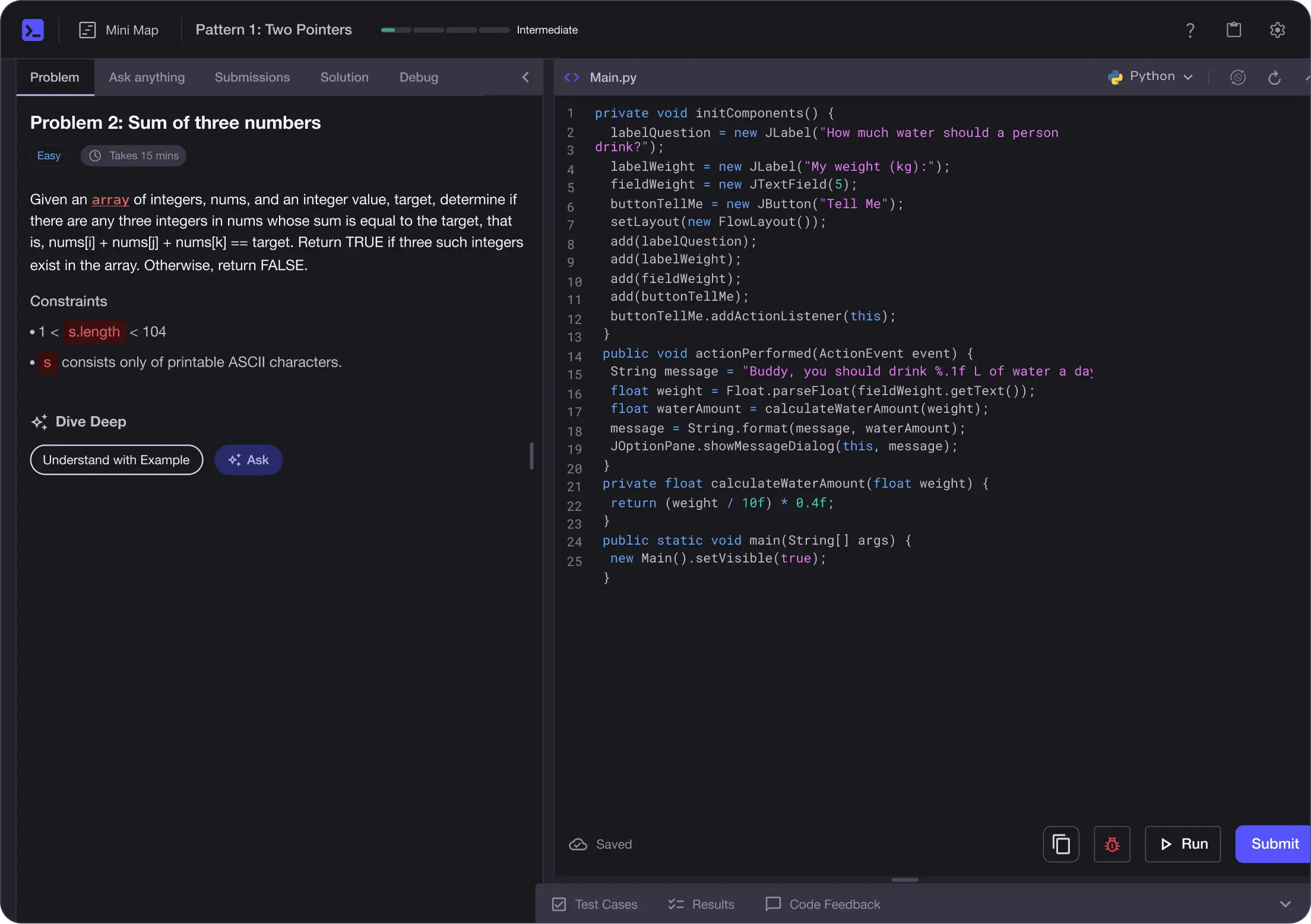
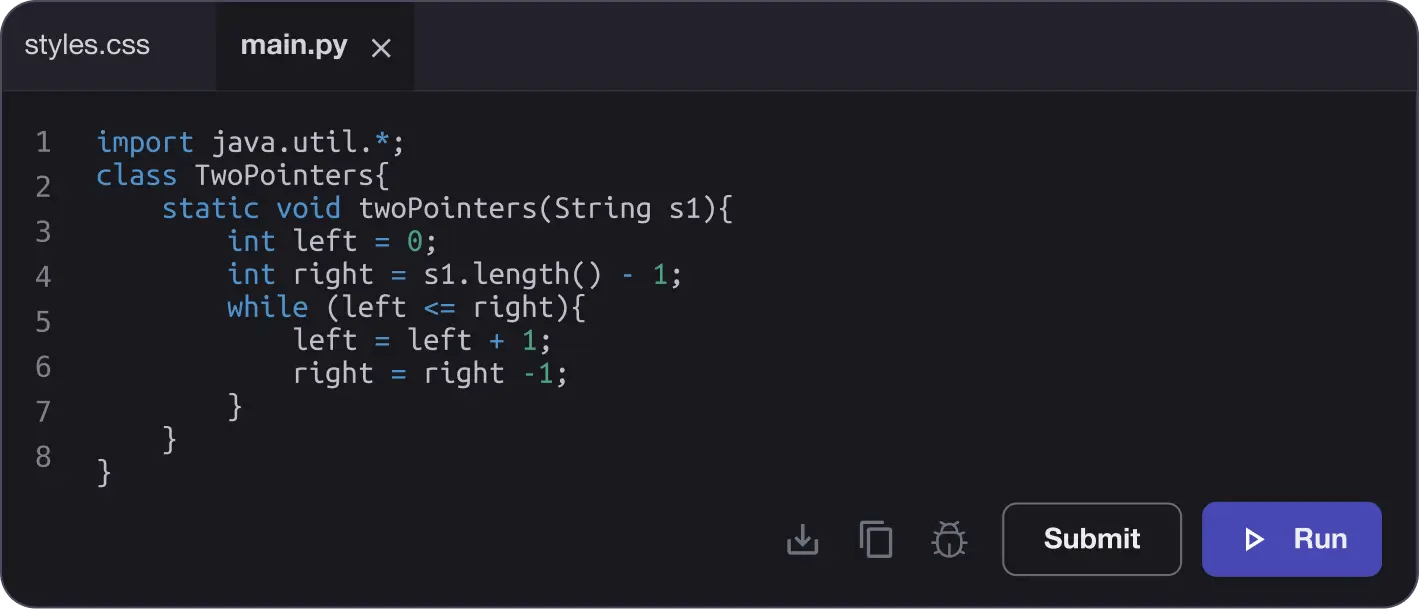
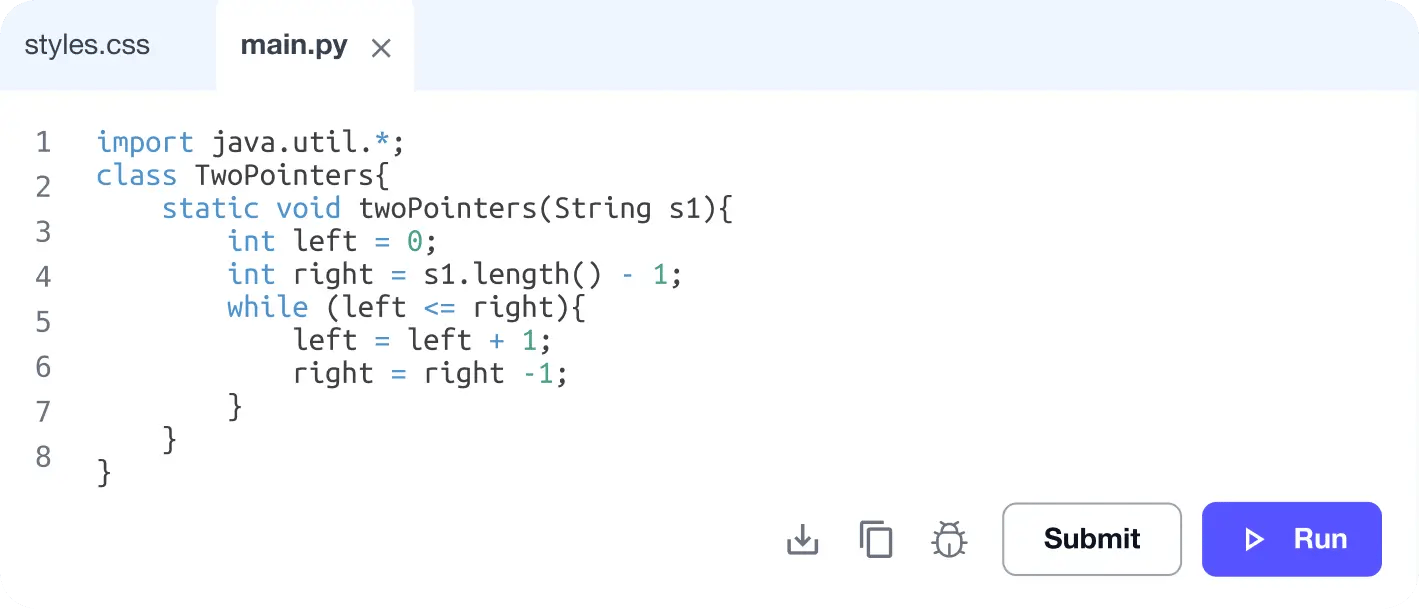
Learn by building with project-based lessons and in-browser code editor
Learn by Doing
Personalized Roadmaps
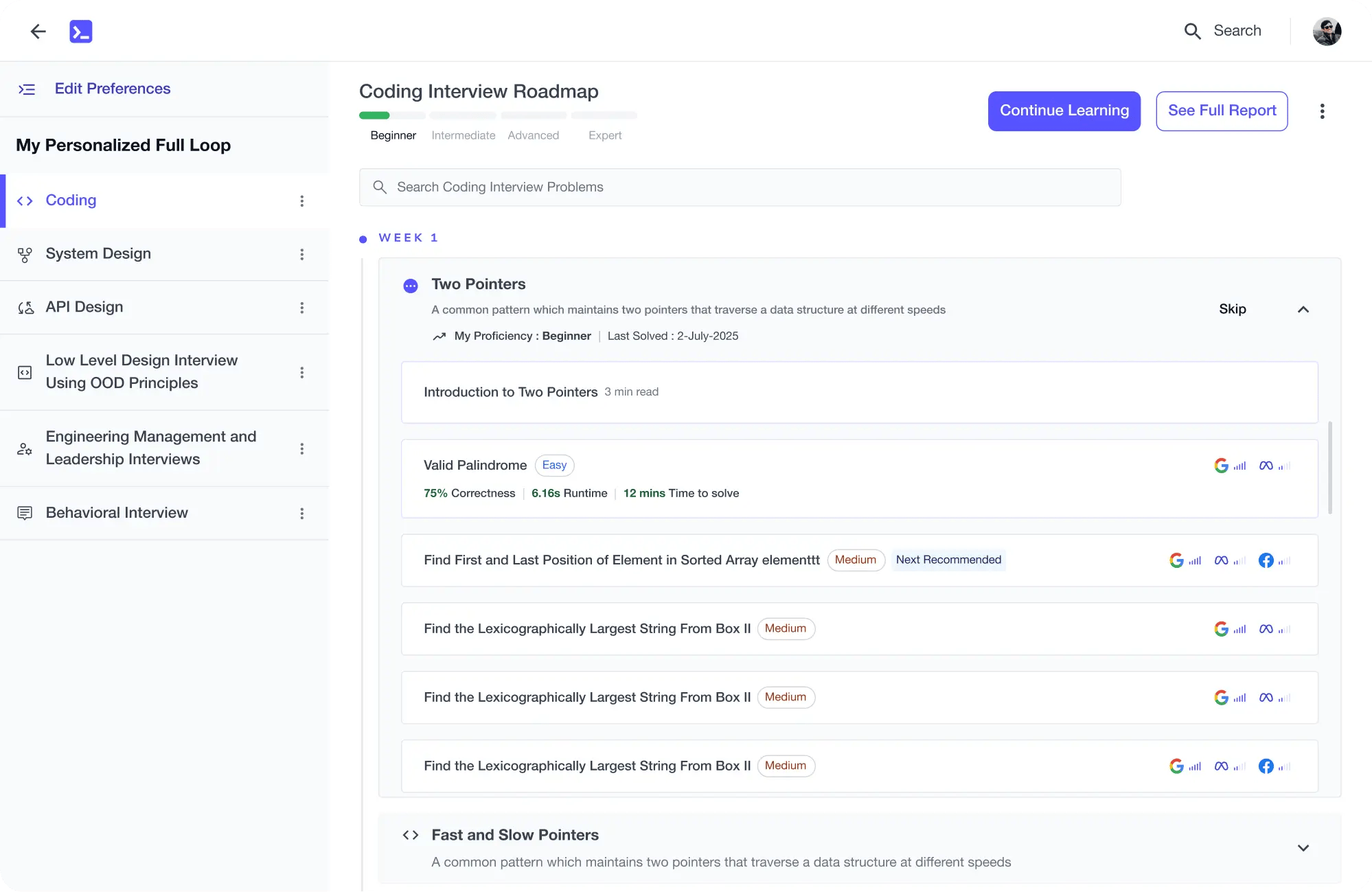
The platform adapts to your strengths & skills gaps as you go
Learn by Doing
Future-proof Your Career
Get hands-on with in-demand skills
Learn by Doing
AI Code Mentor
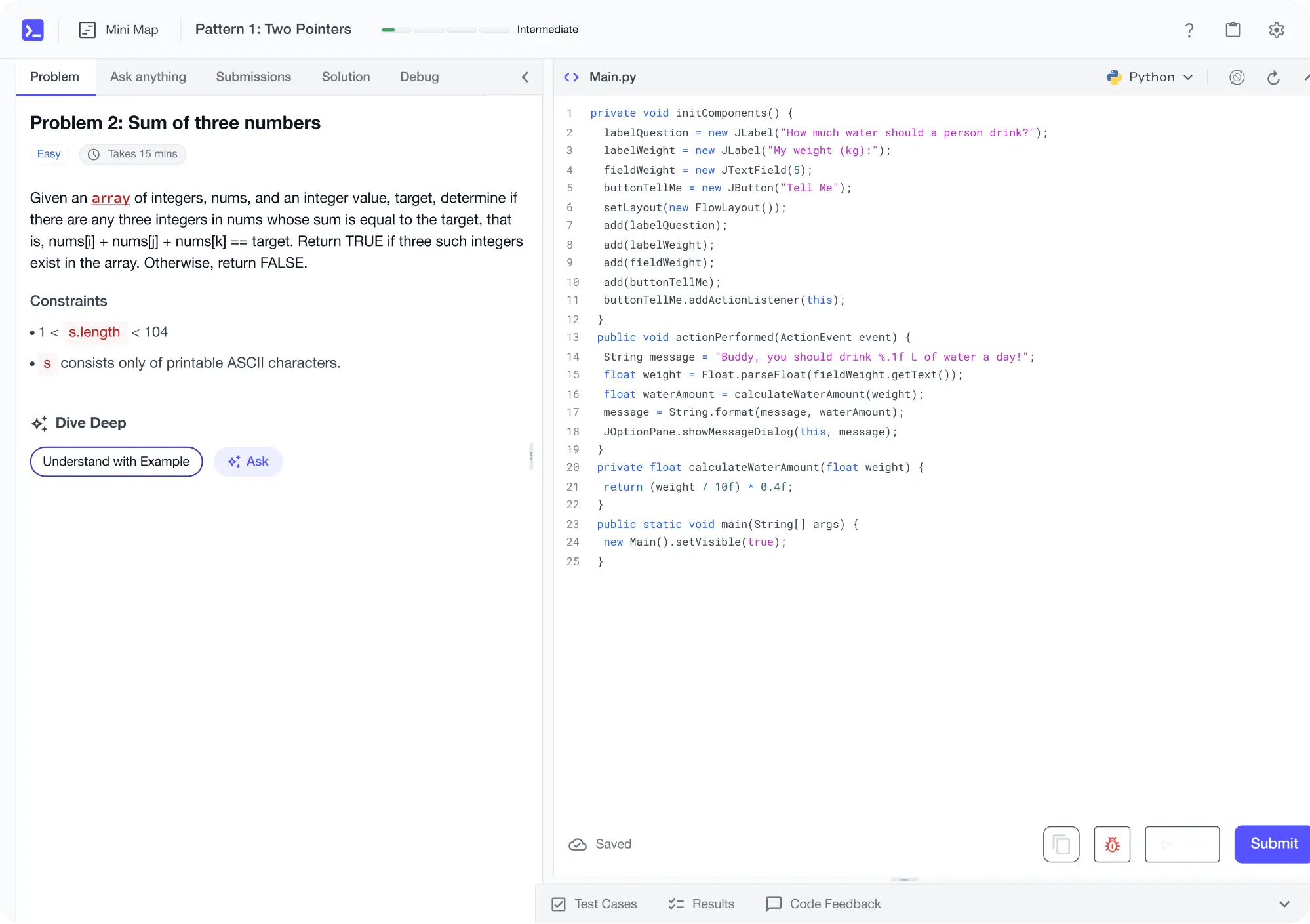
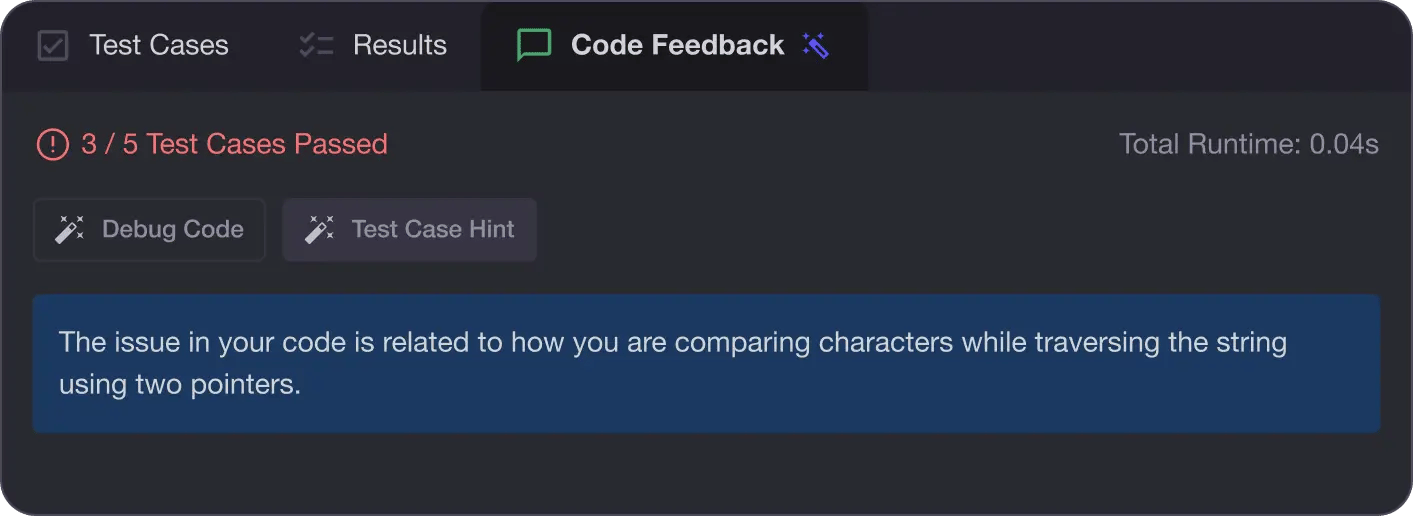
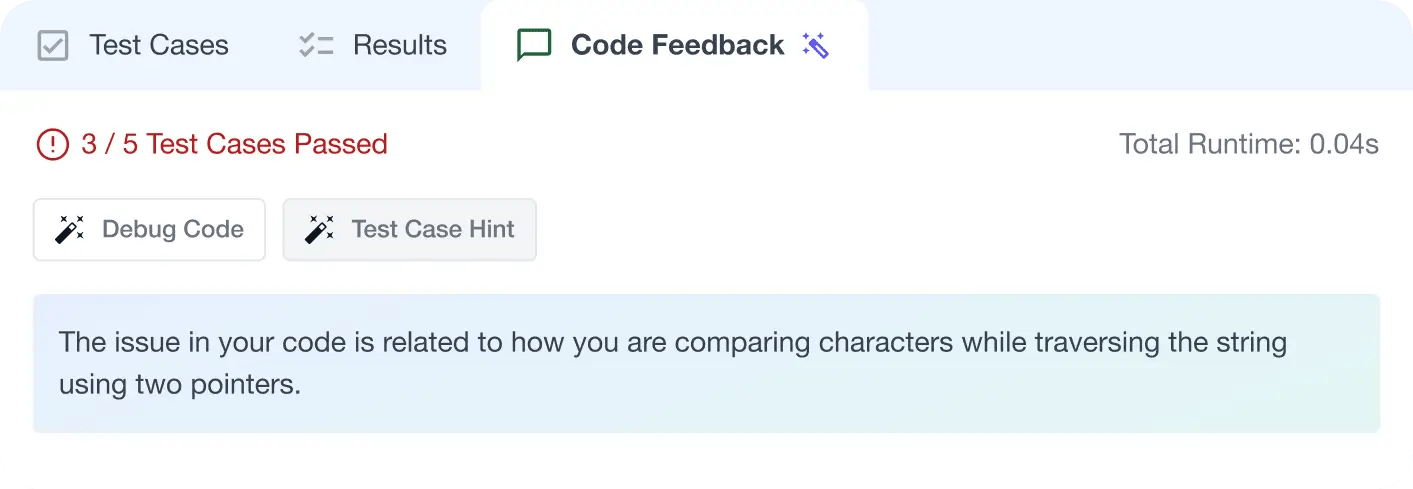
Write better code with AI feedback, smart debugging, and "Ask AI"
Learn by Doing
Learn by Doing
MAANG+ Interview Prep
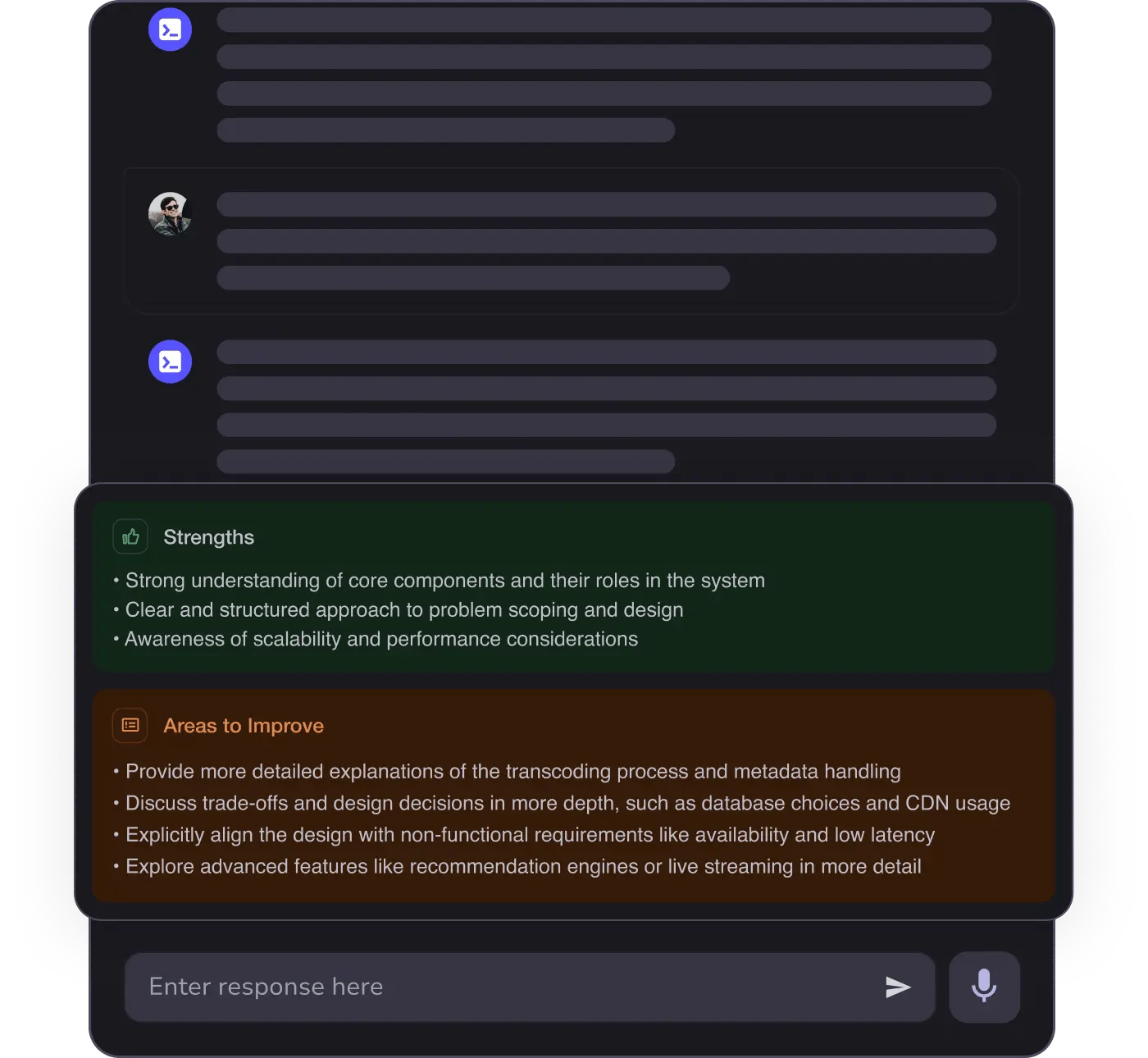
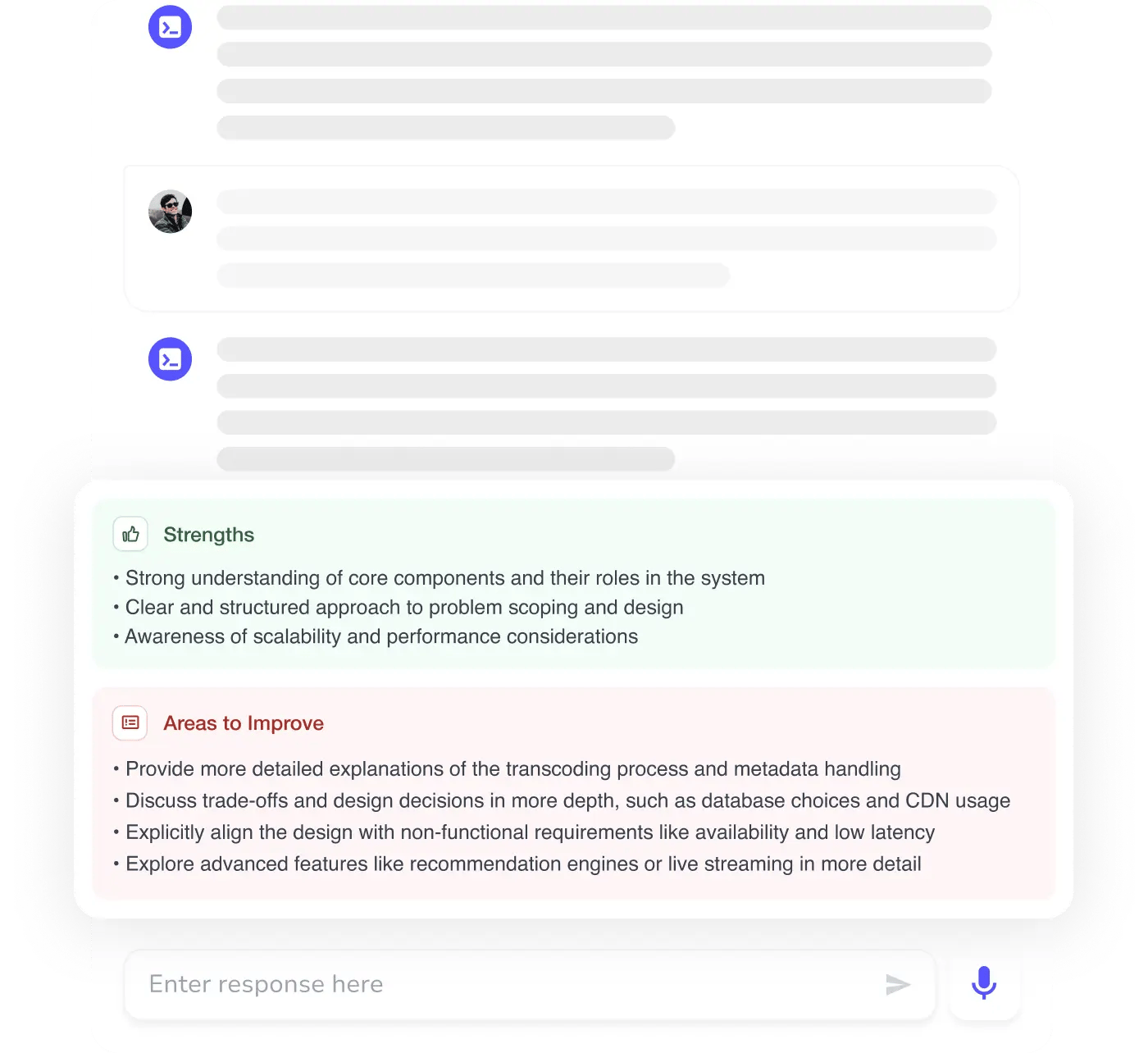
AI Mock Interviews simulate every technical loop at top companies
Learn by Doing